
To be a good writer, you must be a good reader. But how exactly should you read to improve?
Most aspiring writers read for pleasure and plot. They get inspired but don’t know how to deconstruct what makes prose beautiful and effective.
This leaves them with a lot of inspiration but no actionable takeaways.
I’m here to change that. This article will provide a concrete, step-by-step Beautiful Writing Reading Plan. It transforms passive reading into an active apprenticeship with literary masters.
This plan is a proven system for intentional reading. It will directly and noticeably impact the quality of your own prose.
It’s not just another book list. It’s a practical method for turning inspiration into tangible writing skill.
The secret to better writing is hidden in plain sight on your bookshelf. You just need the right approach to unlock it.
Step 1: Curate Your Canon of Stylistic Masters
The first step isn’t to read everything. It’s to strategically select a diverse set of authors known for their prose style.
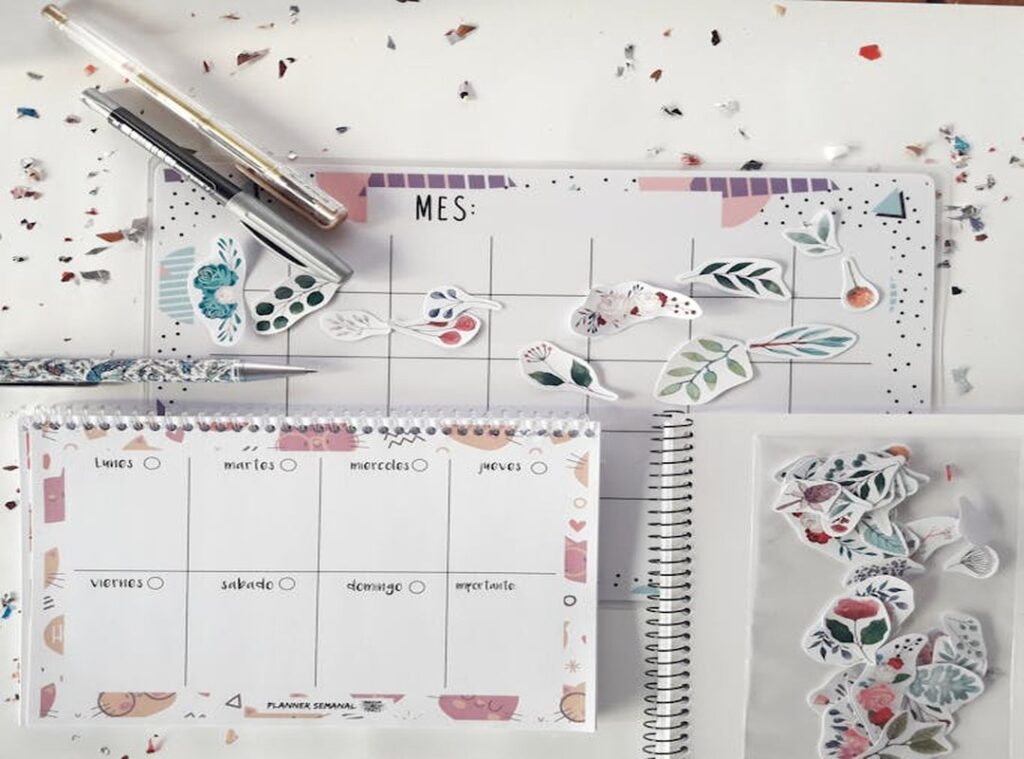
Plan lector letra bonita.
Organize your reading plan around three distinct categories of beautiful writing. This way, you get a balanced reading diet.
The Lyrical & Poetic. Think Virginia Woolf or Ocean Vuong. Their words flow like music.
To the Lighthouse by Woolf is a masterclass in lyrical prose. Her sentences are like waves, ebbing and flowing with emotion.
The Crisp & Economical. Ernest Hemingway and Yoko Ogawa come to mind. They use short, clear sentences.
In The Old Man and the Sea, Hemingway’s short, declarative sentences create tension and clarity. It’s like watching a tightrope walker—every word counts.
The Intricate & Expansive. Gabriel García Márquez and Zadie Smith are great examples. Their stories are rich and layered.
One Hundred Years of Solitude by García Márquez weaves a tapestry of magical realism. The narrative is complex, yet it draws you in with its vivid imagery and deep characters.
Choose one book from each category to start. This keeps things manageable. Don’t overwhelm yourself.
Reading authors from diverse backgrounds and perspectives is key. You’ll absorb a wider range of voices, rhythms, and storytelling techniques.
Avoid the trap of only reading within your preferred genre. The most valuable stylistic lessons often come from unfamiliar territory.
So, pick your books. Start reading. And let the styles seep into your own writing.
Step 2: Learn to Read with a Writer’s Eye
Reading for entertainment is great, but if you want to improve your writing, you need to read with a writer’s eye. This means analyzing the ‘how’ and ‘why’ behind the author’s choices, not just the ‘what’ of the plot.
The ‘Sentence-Paragraph-Page’ Method
Let’s break it down into a simple framework. I call it the ‘Sentence-Paragraph-Page’ method of deconstruction.
At the Sentence Level: Highlight sentences that evoke a strong reaction. Ask yourself, is it the surprising word choice (diction)? The rhythm and flow (syntax)?
A powerful metaphor?
At the Paragraph Level: Examine how the author builds a scene, transitions between ideas, or controls pacing within a single paragraph. How do the sentences work together?
At the Page Level: Observe the larger structural patterns. Note the balance of dialogue, internal monologue, and description. How does it serve the narrative?
Keeping a dedicated ‘commonplace book’ or digital note is a must. Collect those powerful examples and their brief analysis. It’s like creating a personal, curated textbook on writing style.
Plan lector letra bonita. This approach helps you see the building blocks of great writing.
By doing this, you’ll start to notice patterns and techniques that you can apply to your own work. Trust me, it makes a huge difference.
If you’re into gaming, think about how what it takes to become a professional esports player requires a deep understanding of game mechanics and strategies. Similarly, mastering writing involves dissecting and understanding the mechanics of good prose.
Step 3: Turn Reading Insights into Writing Practice

Analysis without application is just an academic exercise. To truly improve, you must bridge the gap between reading and your own writing.
Imitation exercises are a classical technique that can help. This isn’t about plagiarism; it’s about learning structure and technique.
- Sentence Scaffolding: Take a beautiful sentence from your reading and write a new one on a different topic using its exact grammatical structure.
- Paragraph Mirroring: Choose a descriptive paragraph and write your own, attempting to match the author’s sentence length variation and use of sensory details.
- Voice Snapshot: Write a 100-word micro-story trying to capture the tone and voice of an author you’re studying.
The goal of these exercises is to internalize new techniques and expand your toolkit. This helps your unique voice emerge stronger.
Think of it like a musician learning scales or an artist sketching masterworks. It’s a fundamental and respected part of creative training.
Consistent, short bursts of this practice are more effective than infrequent, long sessions. Plan lector letra bonita.
Your Journey to More Powerful Prose Starts Today
You want to write beautifully but feel lost on how to get there. The solution is a plan lector letra bonita that guides you from curation to active analysis, and finally to intentional practice. Beautiful writing is not an innate gift; it’s a craft that can be learned and perfected with deliberate effort.
Choose your first book from one of the categories, open a fresh page in your notebook, and begin your journey. Your writing will thank you for it.
 Esports & Community Insights Editor
humble_plum has opinions about scookie gaming mechanics deep dive. Informed ones, backed by real experience — but opinions nonetheless, and they doesn't try to disguise them as neutral observation. They thinks a lot of what gets written about Scookie Gaming Mechanics Deep Dive, Geek-Level Gaming Strategies, Gamer Gear Optimization Tips is either too cautious to be useful or too confident to be credible, and they's work tends to sit deliberately in the space between those two failure modes.
Reading humble_plum's pieces, you get the sense of someone who has thought about this stuff seriously and arrived at actual conclusions — not just collected a range of perspectives and declined to pick one. That can be uncomfortable when they lands on something you disagree with. It's also why the writing is worth engaging with. humble_plum isn't interested in telling people what they want to hear. They is interested in telling them what they actually thinks, with enough reasoning behind it that you can push back if you want to. That kind of intellectual honesty is rarer than it should be.
What humble_plum is best at is the moment when a familiar topic reveals something unexpected — when the conventional wisdom turns out to be slightly off, or when a small shift in framing changes everything. They finds those moments consistently, which is why they's work tends to generate real discussion rather than just passive agreement.
Esports & Community Insights Editor
humble_plum has opinions about scookie gaming mechanics deep dive. Informed ones, backed by real experience — but opinions nonetheless, and they doesn't try to disguise them as neutral observation. They thinks a lot of what gets written about Scookie Gaming Mechanics Deep Dive, Geek-Level Gaming Strategies, Gamer Gear Optimization Tips is either too cautious to be useful or too confident to be credible, and they's work tends to sit deliberately in the space between those two failure modes.
Reading humble_plum's pieces, you get the sense of someone who has thought about this stuff seriously and arrived at actual conclusions — not just collected a range of perspectives and declined to pick one. That can be uncomfortable when they lands on something you disagree with. It's also why the writing is worth engaging with. humble_plum isn't interested in telling people what they want to hear. They is interested in telling them what they actually thinks, with enough reasoning behind it that you can push back if you want to. That kind of intellectual honesty is rarer than it should be.
What humble_plum is best at is the moment when a familiar topic reveals something unexpected — when the conventional wisdom turns out to be slightly off, or when a small shift in framing changes everything. They finds those moments consistently, which is why they's work tends to generate real discussion rather than just passive agreement.