You’re stuck, aren’t you? Your team is trapped on a ranked plateau, communication is failing, and the fun? It’s evaporating.
You’ve got the skill, but something’s missing. What if I told you that a gaming team mentor is the secret sauce you’re lacking? Coaches in gaming teams are like power-ups for combo and plan.
We’ve delved into the mechanics (trust me, we’ve got the deep dives) separating good teams from the great ones. Ready for a breakthrough? This guide promises a clear, actionable roadmap to understanding, finding, and working with these mentors to smash through your limits.
Let’s go.
What’s a Mentor, Anyway? (Hint: It’s Not Just a High-Ranked
A gaming mentor isn’t just your high-ranked friend lending a hand. It’s more like having a personal guide who focuses on your long-term development, communication, mindset, and strategic thinking. Think of it this way: a coach might train you to win the next team fight.
But a mentor? They instill the mindset to win the whole tournament.
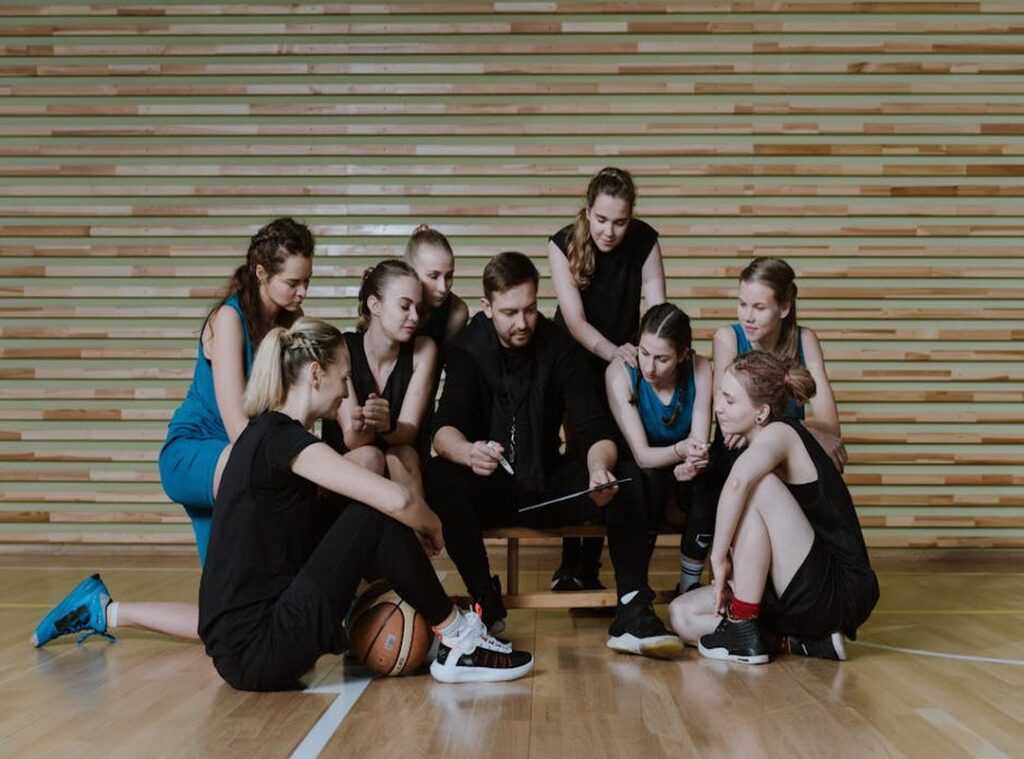
Coaches in gaming teams often zero in on specific in-game tactics and VOD reviews. They deal with the nitty-gritty. Mentors, on the other hand, focus on the bigger picture, team dynamics, and player growth.
They see the forest for the trees, valuing macro plan over micro mistakes. That? That’s a skill set worth cultivating.
Let’s not confuse mentors with boosters or magic bullet solutions for climbing ranks. They won’t play your games for you, nor should they. It’s not about shortcuts or easy wins.
A mentor is there to nurture patience, game knowledge, and, of course, excellent communication skills. They guide you through the mental prep needed for esports competitions. Curious about more on that? Read more.
What makes a great mentor? Patience, above all. A truly great mentor takes the time to understand, communicate, and develop each player.
They’re there for the long haul, not just the brief glory of a single match. So, next time you think of seeking a mentor, remember: it’s about growth. Not just in skills, but in mindset and plan as well.
That’s the essence of real mentorship.
Red Flags: Signs Your Squad Needs a Mentor
- The Blame Game
Does your team love to point fingers when things go south? It’s like watching a bad drama unfold, right? Constant blame-shifting screams of poor culture and lack of accountability. a mentor steps in.
They’ve got the knack for creating constructive feedback loops. Suddenly, it’s less about blaming and more about learning. A mentor teaches teams to own up and improve.
- The Plan Rut
Ever feel like you’re running the same tired plays? It’s like watching the same movie on repeat (and not a good one).
A team stuck in a plan rut needs a fresh perspective. Enter the mentor! They bring new eyes to your playbook, spotting what you can’t.
It’s like they have a sixth sense for plan refreshment. They get teams to rethink, retool, and revitalize their approach. For more on how a mentor can impact plan, check out this detailed guide.
- The Tilt Spiral
We’ve all been there. One bad play and suddenly, chaos.
The team melts down faster than ice cream on a hot day. This tilt spiral is a killer, both for your rank and your morale. A mentor?
They’re pros at providing mental fortitude techniques. Think emotional regulation strategies that keep teams cool under pressure. With a mentor, one bad play doesn’t snowball into disaster.
- The Communication Breakdown
Are your comms cluttered, or worse, just silent? The frustration is palpable when there’s no mid-round adjustment or when talking feels futile.
A mentor acts like a bridge, making sure messages aren’t just sent but received and understood. They teach effective communication. Without it, you’re playing a game of broken telephone.
- The Plateau Problem
Being stuck at the same rank is infuriating. You train, you grind, and yet, no progress.
This is where many teams lose hope. But a mentor dives into those deep-rooted issues, the ones you can’t see. Whether it’s a gameplay flaw or team changing issue, they find it.
They help teams break through barriers they didn’t know existed. Sometimes, it takes an outsider to see what’s really going on.
In esports, coaches in gaming teams aren’t just nice to have. They’re important. A mentor can transform a squad from a group of individuals into a cohesive unit.
If you’re seeing these red flags, it’s time to consider bringing one on board.
The Hunt is On: Finding Your Team’s Gandalf
Finding the right mentor can be tricky (like finding the perfect pair of socks). You need someone who gets your style. In gaming, this might mean heading to dedicated Discord servers.
Look for game-specific LFG or coaching hubs. Esports community servers are gold mines too. Want to reach out?
Be respectful. Introduce yourself briefly and express genuine interest in learning. No one wants to mentor a ghost.
Now, let’s talk about forums. Ever browsed r/Competitive[GameName] or r/esports? These subreddits are bustling with players eager to share and teach.
Craft a post that stands out. Be clear about what you want. “Looking for a mentor to help me master mid-lane strategies in League” beats “Need help.” Specificity shows seriousness.
Then there are mentorship platforms like GamerLink or Metafy. They connect gamers with coaches in gaming teams who can guide you. These platforms give you access to seasoned pros who’ve seen it all.
It’s like having a tutor who also happens to be a gaming wizard.
Pro player and analyst streams offer another avenue. Smaller streamers often engage deeply with their audience. They’re more likely to offer advice and mentorship.
They might not be as famous, but they’re accessible and eager to help. Find one who breaks down gameplay and interacts with viewers.
When you’ve found someone, vet them. Here’s what to ask: “What’s your mentorship philosophy?” It’s a fancy way of saying, how do you teach? “Can you share a success story?” Success stories inspire trust. Lastly, “How do you handle team conflict?” Good coaches are also good mediators.
Mentorship is a journey. If you’re curious about stepping up your game, learn more about the climb from amateur to pro. You’ll find that having a mentor can make all the difference in your esports career.
Happy hunting.
Unlocking Achievement: Max Value from Your Mentor
Does your team really know what success looks like? When it comes to coaches in gaming teams, the responsibility isn’t just on them. It’s a two-way street.
Your team must set clear goals from the start. What do you actually want to achieve? Improve mid-game shot calling?
Reach Diamond rank this season? You need specifics.
Now, let’s talk about criticism. It’s not always easy to swallow, but it’s a game-changer (pun intended). Your mentor’s job?
Point out flaws. Your job? Listen and set up without getting defensive.
Consistency is king. Treat mentorship like mandatory practice, not an optional add-on. Regular sessions keep everyone on track.
Sounds simple, right? Yet, so many teams get stuck here.
Pro tip: Schedule them like you would any key team meeting.
In the end, success comes from mutual effort. So, shift that focus and embrace the full potential of a mentor-mentee relationship. It’s worth every bit of investment.
Open up Your Team’s Potential
Hitting a wall in competitive gaming is like banging your head against a brick. Frustrating, right? You feel stuck, and it’s hard to see a way out from the inside. coaches in gaming teams come in.
They offer fresh eyes and seasoned strategies to reignite your team’s drive. Finding the right mentor can boost performance but make the game fun again. Who doesn’t want that?
Stop guessing. Use the resources in this guide to start your search today. Take the first real step toward unlocking your team’s true potential.
Don’t wait. Your next win is just a coach away.
 Lead Gaming Analyst & Content Strategist
Ask Williem Puckettiero how they got into scookie gaming mechanics deep dive and you'll probably get a longer answer than you expected. The short version: Williem started doing it, got genuinely hooked, and at some point realized they had accumulated enough hard-won knowledge that it would be a waste not to share it. So they started writing.
What makes Williem worth reading is that they skips the obvious stuff. Nobody needs another surface-level take on Scookie Gaming Mechanics Deep Dive, Insider Knowledge, Gamer Gear Optimization Tips. What readers actually want is the nuance — the part that only becomes clear after you've made a few mistakes and figured out why. That's the territory Williem operates in. The writing is direct, occasionally blunt, and always built around what's actually true rather than what sounds good in an article. They has little patience for filler, which means they's pieces tend to be denser with real information than the average post on the same subject.
Williem doesn't write to impress anyone. They writes because they has things to say that they genuinely thinks people should hear. That motivation — basic as it sounds — produces something noticeably different from content written for clicks or word count. Readers pick up on it. The comments on Williem's work tend to reflect that.