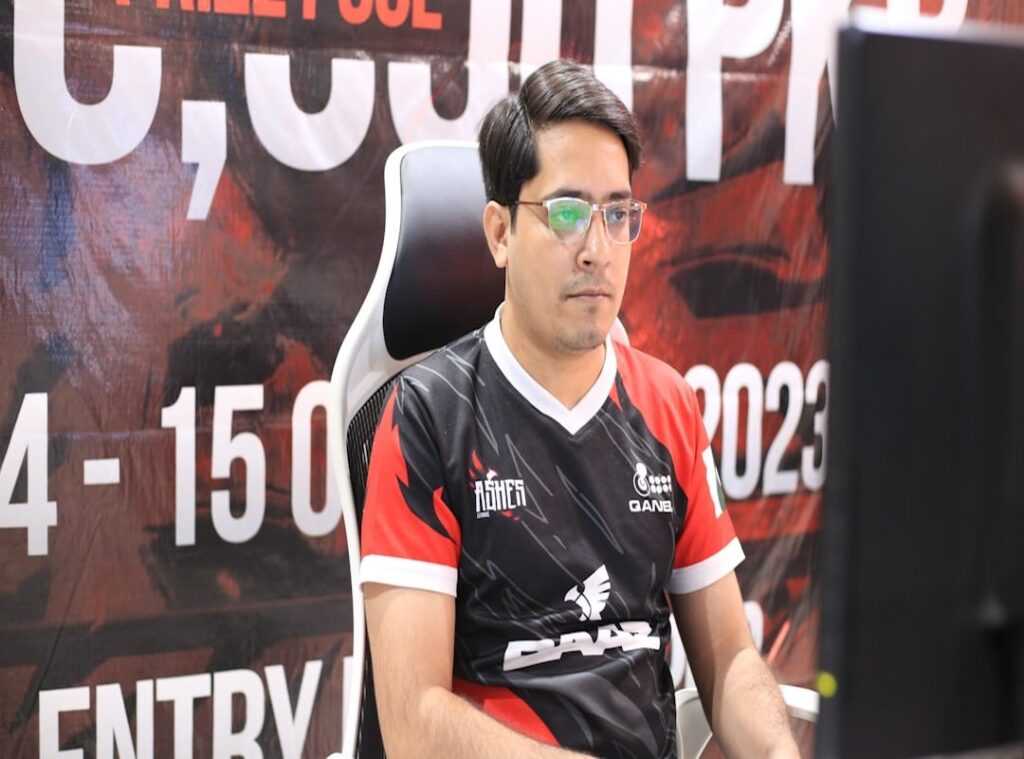

If you’re searching for a realistic breakdown of gaming trends 2026, you’re probably tired of the hype. Between buzzwords like “metaverse 2.0” and endless AI promises, it’s hard to tell what will actually shape your gaming experience. This article cuts through that noise. We focus on the real technological upgrades, meaningful shifts in game design, evolving esports dynamics, and the economic forces influencing studios and players alike. Backed by years of deep analysis into mechanics, hardware performance, and market behavior, this guide delivers a clear-eyed roadmap of what will truly matter in 2026—and what you can safely ignore.
Generative AI: From Development Shortcut to In-Game Reality
Smarter Worlds, Fewer Repeats
If you’ve ever climbed the “mysterious” tower that looks suspiciously like the last five towers, you already know the problem. Procedural content generation (PCG)—the automated creation of game assets and environments using algorithms—was supposed to make worlds feel infinite. Instead, it often felt copy-pasted with better lighting.
Now, advanced generative AI is changing that. By learning from massive datasets of level design patterns, player behavior, and environmental storytelling, AI can craft dynamic open worlds that react to your choices. That means quests that branch in unexpected ways, ecosystems that evolve, and loot that isn’t just reshuffled stats. (Finally.) This shift is central to gaming trends 2026, where replayability isn’t about grinding—it’s about genuine unpredictability.
NPCs That Actually Listen
Rigid dialogue trees are immersion killers. You pick Option A, B, or Sarcastic C—and none of it really matters. AI-driven NPCs (non-playable characters powered by machine learning models) can now recall your past actions and respond in unscripted ways. Forget memorized lines; imagine characters adapting to your reputation in real time. It’s less “press X to bond” and more actual role-play.
AI-Powered Esports Coaching
Grinding ranked matches without knowing why you lost? Infuriating. AI coaching tools now analyze pro-level gameplay frame by frame, flagging positioning errors and predicting opponent patterns. Think of it as having a strategist in your ear—minus the ego. Competitive players get actionable feedback instantly, turning frustration into measurable improvement.
Cloud Gaming Ascends: High-Fidelity Play on Any Screen
Beyond ‘Beta’ Status
For years, “cloud gaming” felt like code for input lag and crossed fingers. However, 2026 infrastructure tells a different story. With widespread fiber rollout in metro hubs like Seoul, Austin, and Berlin—and Wi‑Fi 7 routers pushing multi‑gig throughput—sub‑20ms latency is becoming normal, not aspirational. Edge computing (processing data closer to the user to reduce delay) now places servers within regional ISP nodes, shaving off precious milliseconds. As a result, perceptible lag is disappearing for most players. Skeptics argue local hardware will always win—and in esports finals at Katowice, maybe so—but for everyday ranked queues, the gap is narrowing fast. Even Digital Foundry’s recent tests show parity in several titles (Eurogamer, 2025). Suddenly, cloud isn’t a compromise; it’s viable.
The Subscription Library Wars
Meanwhile, competition between Xbox, NVIDIA GeForce Now, Amazon Luna, and Sony is escalating. Day-one drops are becoming bargaining chips. Services like Xbox Cloud Gaming now bundle cross-save ecosystems, and tiered pricing mirrors Netflix-style segmentation (ad-supported, premium, family). Some worry fragmentation will mirror the streaming TV mess. Fair. Yet aggressive rivalry typically benefits players—see gaming trends 2026 forecasting price compression across platforms.
Gear Optimization for the Cloud
Consequently, priorities shift. Forget GPUs; prioritize wired Ethernet, low-latency controllers (under 5ms polling), and 144Hz displays with VRR. Pro tip: enable QoS settings on your router to prioritize gaming packets. Stability is the new horsepower.
Hardware Evolution: The Mid-Gen Refresh and PC-Console Convergence*
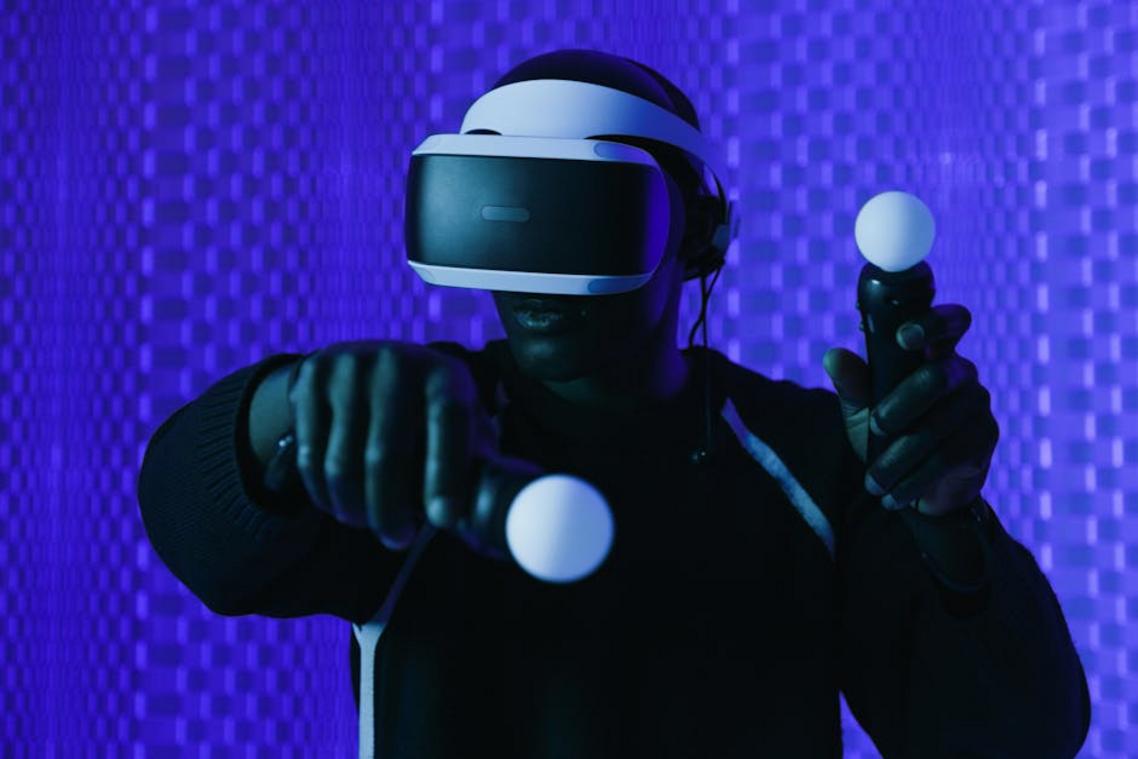
The idea of a “Pro” console can sound like marketing fluff. It’s not. A mid-generation refresh simply means an upgraded version of an existing console—same ecosystem, more power. Think PS4 to PS4 Pro. With rumored PS5 Pro and updated Xbox models, 4K resolution at 90–120 frames per second (fps) is becoming the new AAA baseline. (Yes, 120fps really does feel smoother—once you see it, 60fps can feel like cinematic slow motion.) Higher frame rates reduce input lag and motion blur, which competitive players care about deeply.
Some argue mid-gen upgrades fragment the player base. That’s fair. But modern consoles scale performance, meaning games still run across models—just sharper and smoother on premium hardware.
Blurring platform lines is another major shift. Cross-play (playing with users on other platforms) and cross-progression (carrying saves across devices) are quickly becoming standard expectations. Sony’s PC strategy proves it: former exclusives now launch on PC faster than ever. If you’re tracking gaming trends 2026, platform walls are thinning fast. For deeper context, see how live service games are reshaping the modern gaming industry.
Finally, handheld PCs are maturing:
- More efficient chips
- Better thermals
- Improved battery life
Devices inspired by Steam Deck now aim for no-compromise portable AAA. Skeptics say battery limits will always hold them back. Maybe—but silicon efficiency keeps improving (AMD reports steady performance-per-watt gains year over year, AMD Investor Reports). The gap is closing.
The Evolving In-Game Economy: Beyond the Battle Pass
The era of one-and-done game purchases is fading. Subscription giants like Xbox Game Pass are reshaping incentives, pushing developers toward long-term engagement over launch-day spikes. Instead of asking, “How do we sell 10 million copies?” the question becomes, “How do we keep players logging in for 10 months?” (Yes, your daily quests are not an accident.) I actually think this is HEALTHIER for players—when done right. Critics argue subscriptions devalue games, turning them into disposable content. Fair point. But retention-driven design can reward depth, not just hype.
Monetization is evolving too. “Pay-to-win” (where spending money gives gameplay advantages) is increasingly taboo in AAA spaces (see EA’s Battlefront II backlash, 2017). Players want cosmetics—skins, mounts, flair—that respect skill. FAIR. TIME. MATTERS.
• Better cosmetics over stat boosts
• Seasonal content over grind walls
As for digital ownership, expect subtle integration: cross-title skins within a publisher ecosystem, especially tied to player-created content. Not blockchain buzzwords—practical utility. That’s one of the quieter gaming trends 2026 will spotlight.
Your 2026 Gaming Playbook
You came here to understand where gaming is headed—and now you can see how AI-driven worlds, cloud-powered access, stronger hardware, and evolving economies are shaping gaming trends 2026. The future isn’t just bigger; it’s smarter, faster, and more connected. If you ignore these shifts, you risk falling behind—whether that means underpowered gear, outdated strategies, or missed competitive edges. Don’t let that happen. Stay ahead by upgrading wisely, refining your playstyle, and tracking emerging tech that impacts performance. Follow the latest insights, apply these strategies now, and level up your experience before everyone else catches on.
 Founder & Chief Visionary Officer
Neylora Vassorin has opinions about gamer gear optimization tips. Informed ones, backed by real experience — but opinions nonetheless, and they doesn't try to disguise them as neutral observation. They thinks a lot of what gets written about Gamer Gear Optimization Tips, Esports and Player Perspectives, Geek-Level Gaming Strategies is either too cautious to be useful or too confident to be credible, and they's work tends to sit deliberately in the space between those two failure modes.
Reading Neylora's pieces, you get the sense of someone who has thought about this stuff seriously and arrived at actual conclusions — not just collected a range of perspectives and declined to pick one. That can be uncomfortable when they lands on something you disagree with. It's also why the writing is worth engaging with. Neylora isn't interested in telling people what they want to hear. They is interested in telling them what they actually thinks, with enough reasoning behind it that you can push back if you want to. That kind of intellectual honesty is rarer than it should be.
What Neylora is best at is the moment when a familiar topic reveals something unexpected — when the conventional wisdom turns out to be slightly off, or when a small shift in framing changes everything. They finds those moments consistently, which is why they's work tends to generate real discussion rather than just passive agreement.
Founder & Chief Visionary Officer
Neylora Vassorin has opinions about gamer gear optimization tips. Informed ones, backed by real experience — but opinions nonetheless, and they doesn't try to disguise them as neutral observation. They thinks a lot of what gets written about Gamer Gear Optimization Tips, Esports and Player Perspectives, Geek-Level Gaming Strategies is either too cautious to be useful or too confident to be credible, and they's work tends to sit deliberately in the space between those two failure modes.
Reading Neylora's pieces, you get the sense of someone who has thought about this stuff seriously and arrived at actual conclusions — not just collected a range of perspectives and declined to pick one. That can be uncomfortable when they lands on something you disagree with. It's also why the writing is worth engaging with. Neylora isn't interested in telling people what they want to hear. They is interested in telling them what they actually thinks, with enough reasoning behind it that you can push back if you want to. That kind of intellectual honesty is rarer than it should be.
What Neylora is best at is the moment when a familiar topic reveals something unexpected — when the conventional wisdom turns out to be slightly off, or when a small shift in framing changes everything. They finds those moments consistently, which is why they's work tends to generate real discussion rather than just passive agreement.