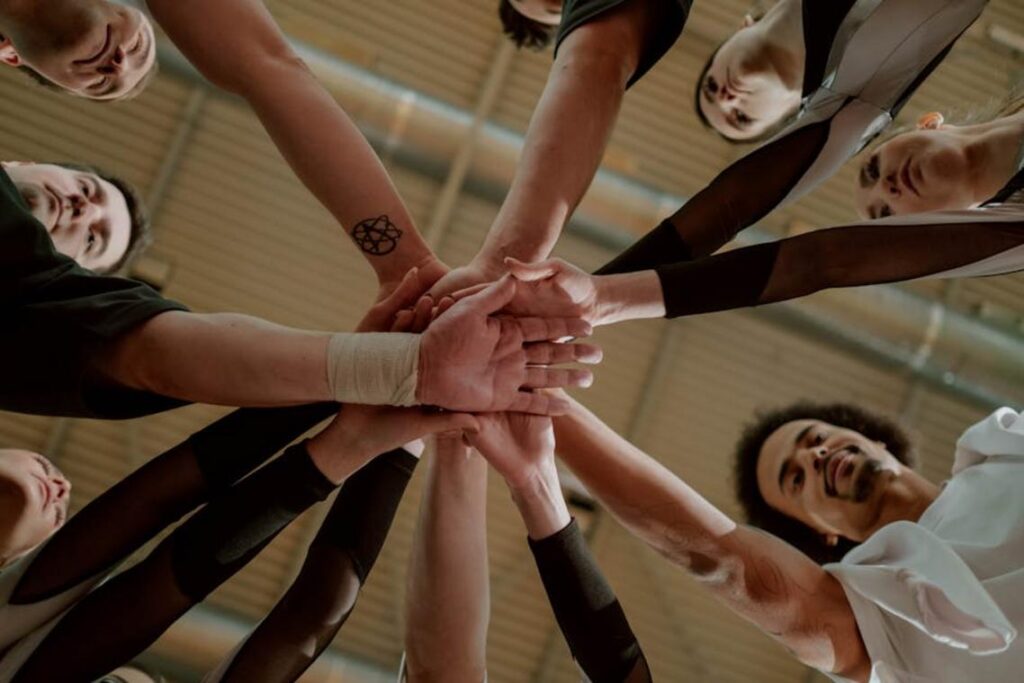

Gaming moves fast—and if you’re here, you’re looking for more than surface-level headlines. You want clear insights into trending gaming news, sharp esports perspectives, and deeper breakdowns of the mechanics and strategies that actually shape competitive play. This article is built to deliver exactly that.
We go beyond patch notes and hype cycles to analyze what changes mean for real players, how evolving metas impact competitive balance, and where smart gear optimization can give you a measurable edge. Drawing from competitive match analysis, performance data, and insights aligned with the professional esports athlete lifestyle, we connect high-level strategy with practical takeaways you can apply immediately.
Whether you’re grinding ranked, refining your setup, or studying pro-level decision-making, you’ll find actionable guidance grounded in research, gameplay analysis, and a deep understanding of how competitive ecosystems evolve.
I once scrimmed with a semi-pro roster and thought it would be “just gaming.” By hour four, my hands ached and my focus was gone. That was my first glimpse into the professional esports athlete lifestyle.
At its core, discipline—not hype—defines a pro’s day. In fact, most follow three pillars:
- Training: Structured practice blocks, VOD reviews (match replay analysis), and mechanical drills.
- Competition: Scrims, strategy meetings, and stage prep.
- Well-being: Sleep cycles, nutrition plans, and sports psychology sessions.
Meanwhile, fans see trophies. However, behind every clutch play is routine, repetition, and relentless refinement.
The Digital Dojo: Deconstructing the 10-Hour Training Day
A professional esports athlete lifestyle isn’t just late-night ranked games and energy drinks. It’s structured, deliberate, and surprisingly methodical.
Morning Session – The Warm-Up (2 Hours)
First comes mechanical prep. Players load into aim trainers like KovaaK’s or Aim Lab to drill tracking, flicking, and reaction speed. (Yes, it’s basically scales on a piano—boring, but essential.)
Muscle memory—your brain’s ability to automate repeated movements—develops here. A practical routine might look like:
- 10 minutes of wrist and finger stretches
- 30 minutes of flick drills
- 30 minutes of tracking scenarios
- 50 minutes of in-game recoil or movement practice
Pro tip: Track your accuracy percentages daily. Small gains compound.
Mid-Day – Team Scrims (4 Hours)
Next, structured scrims (practice matches between organized teams). This is where communication frameworks and set plays are stress-tested.
For example, a team might rehearse a specific site execute repeatedly until timing is frame-perfect. Then, they’ll intentionally vary it to adapt against aggressive opponents. Transitioning between strategies quickly is the real skill.
Some argue scrims create bad habits because opponents don’t play “for real.” Fair—but controlled environments allow targeted improvements without tournament stakes.
Afternoon – VOD Review & Theorycrafting (2 Hours)
VODs (recorded gameplay footage) reveal positioning errors, cooldown mismanagement, or mistimed rotations. Pause. Rewind. Debate. Adjust. Theorycrafting—designing strategies before testing them—happens here.
Evening – Solo Queue & Skill Refinement (2 Hours)
Finally, solo queue sharpens adaptability. Facing unpredictable players forces on-the-fly decisions. Many pros use this block to test niche picks before they hit the main stage (think Rocky training with ankle weights). Consistency wins championships.
Under the Bright Lights: The Anatomy of a Competition Day
Pre-Game Rituals
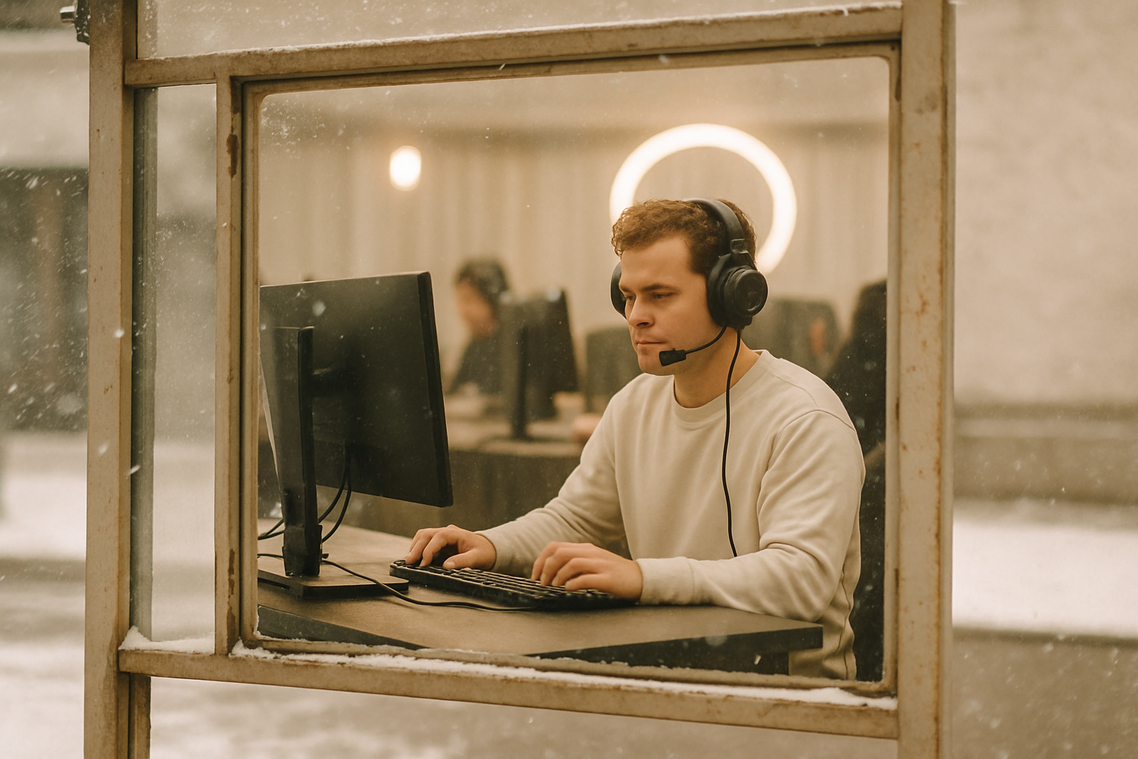
Competition day doesn’t start on stage—it starts at breakfast. A structured routine anchors performance, lowering cortisol (the stress hormone) and sharpening focus (American Psychological Association). Teams follow a set rhythm: balanced team breakfast, light mobility work to increase blood flow, a final strategy briefing, and guided breathing drills. Some critics argue routines are overrated—that raw talent wins games. But research on performance psychology shows consistency reduces decision fatigue and improves reaction time (Journal of Sports Sciences). In other words, ritual isn’t superstition; it’s preparation.
For many pros, this is part of the professional esports athlete lifestyle—sleep tracking, hydration timing, even limiting blue light exposure pre-match. (Yes, your late-night ranked grind probably isn’t helping.)
On-Stage Execution
Under arena lights, communication becomes oxygen. Shot-calling—real-time strategic leadership—keeps five players functioning as one unit. High-pressure environments spike heart rates up to 160 bpm in esports athletes (University of Chichester study), rivaling traditional sports. Some say “just stay calm,” but composure is trained, not toggled. Clear comms, short callouts, and emotional regulation drills make the difference between a clutch play and a collapse.
Mid-Series Adaptation
Between games, elite teams do more than review stats. They analyze tempo shifts, cooldown tracking, and micro-positioning patterns competitors often ignore. This is where hidden advantages emerge. Quick VOD (video-on-demand) clips isolate mistakes, while morale checks prevent tilt (emotional frustration affecting gameplay). If you’re curious about the science behind that reset, see how how mental coaching improves esports performance.
Post-Match Debrief
Immediately after the match: cooldown, hydration, then a rapid debrief. Key plays are dissected while memory is sharp. Some argue reviewing losses right away hurts confidence. But structured reflection builds resilience—turning mistakes into data, not drama. (Think less rage-quit, more replay review.)
Sustaining the Player: The Critical Role of Health and Wellness
Have you ever wondered why top esports teams now employ full-time physical trainers? Gaming may look stationary, but high-level competition is physically demanding. Regular strength training and mobility work improve reaction time, increase endurance for marathon scrims, and reduce repetitive strain injuries (RSI)—a term for overuse injuries affecting wrists, hands, and shoulders. After all, what good is elite aim if your body breaks down mid-season? (Carpal tunnel is not exactly a highlight-reel moment.)
Just as importantly, what about the mental load? Performance anxiety, online toxicity, and relentless travel schedules can erode focus. Sports psychologists help players build mental resilience—the ability to recover quickly from setbacks and maintain composure under pressure. Sound familiar? One bad match spirals into self-doubt, then burnout. Structured mental coaching interrupts that cycle, teaching stress management techniques and cognitive reframing so players stay sharp when stakes are highest.
Then there’s nutrition. Still picturing energy drinks and fast food? Think again. Many pros follow carefully structured meal plans designed to stabilize blood sugar, enhance cognitive function, and sustain energy. Balanced macronutrients—proteins, carbohydrates, and healthy fats—fuel long sessions without crashes. In other words, brain performance mirrors body input.
Finally, when was the last time you truly switched off? The professional esports athlete lifestyle demands boundaries. Maintaining relationships, exploring non-gaming hobbies, and scheduling breaks protect long-term motivation. Without an off-switch, passion becomes pressure. And pressure, unchecked, shortens careers.
So the real question is: are you training like a competitor—or just playing like one?
The path to going pro in esports is not a hobbyist’s upgrade; it’s a total identity shift. Yes, mechanical skill matters. But more importantly, consistency across sleep, nutrition, and mindset determines who lasts beyond one breakout season. In other words, the boss battle is sustainability. Some argue raw grind and ten-hour scrim days are enough. And short term, they can be. However, burnout is undefeated. Pro tip: treat recovery like practice; schedule it, track it, and protect it. The professional esports athlete lifestyle demands structured training, balanced meals, mobility work, and mental coaching. For aspiring players, start with a repeatable routine: fixed sleep windows, focused VOD reviews, and deliberate breaks. Meanwhile, audit your setup; even small ergonomic tweaks reduce fatigue over time. For fans, recognize that clutch plays are built on unseen discipline (think less “button mashing,” more marathon prep). Commit to habits first, highlights second, and performance will follow.
Level Up Your Competitive Edge
You came here to better understand how to break into and sustain a professional esports athlete lifestyle—the grind, the discipline, the strategy, and the mindset it truly takes. Now you have a clearer picture of what separates casual players from serious competitors: structured practice, optimized gear, deep mechanical knowledge, and relentless self-improvement.
The biggest pain point for most aspiring competitors isn’t passion—it’s direction. Grinding without a system leads to burnout, stalled progress, and missed opportunities. When every millisecond and decision counts, guessing is not a strategy.
Act on what you’ve learned. Build a structured training routine. Analyze your gameplay with intention. Optimize your setup. Track measurable improvements. Compete consistently.
If you’re serious about climbing faster and competing smarter, dive into more of our advanced breakdowns and gear optimization guides. Thousands of competitive players rely on our insights to sharpen their edge—now it’s your turn. Start applying these strategies today and turn your grind into real results.
 Founder & Chief Visionary Officer
Neylora Vassorin has opinions about gamer gear optimization tips. Informed ones, backed by real experience — but opinions nonetheless, and they doesn't try to disguise them as neutral observation. They thinks a lot of what gets written about Gamer Gear Optimization Tips, Esports and Player Perspectives, Geek-Level Gaming Strategies is either too cautious to be useful or too confident to be credible, and they's work tends to sit deliberately in the space between those two failure modes.
Reading Neylora's pieces, you get the sense of someone who has thought about this stuff seriously and arrived at actual conclusions — not just collected a range of perspectives and declined to pick one. That can be uncomfortable when they lands on something you disagree with. It's also why the writing is worth engaging with. Neylora isn't interested in telling people what they want to hear. They is interested in telling them what they actually thinks, with enough reasoning behind it that you can push back if you want to. That kind of intellectual honesty is rarer than it should be.
What Neylora is best at is the moment when a familiar topic reveals something unexpected — when the conventional wisdom turns out to be slightly off, or when a small shift in framing changes everything. They finds those moments consistently, which is why they's work tends to generate real discussion rather than just passive agreement.
Founder & Chief Visionary Officer
Neylora Vassorin has opinions about gamer gear optimization tips. Informed ones, backed by real experience — but opinions nonetheless, and they doesn't try to disguise them as neutral observation. They thinks a lot of what gets written about Gamer Gear Optimization Tips, Esports and Player Perspectives, Geek-Level Gaming Strategies is either too cautious to be useful or too confident to be credible, and they's work tends to sit deliberately in the space between those two failure modes.
Reading Neylora's pieces, you get the sense of someone who has thought about this stuff seriously and arrived at actual conclusions — not just collected a range of perspectives and declined to pick one. That can be uncomfortable when they lands on something you disagree with. It's also why the writing is worth engaging with. Neylora isn't interested in telling people what they want to hear. They is interested in telling them what they actually thinks, with enough reasoning behind it that you can push back if you want to. That kind of intellectual honesty is rarer than it should be.
What Neylora is best at is the moment when a familiar topic reveals something unexpected — when the conventional wisdom turns out to be slightly off, or when a small shift in framing changes everything. They finds those moments consistently, which is why they's work tends to generate real discussion rather than just passive agreement.