
If you’re searching for a clear breakdown of live service games evolution, you’re likely trying to understand how we moved from boxed releases to constantly updated, season-driven experiences—and what that shift means for players today. This article dives into the mechanics behind modern live service models, from battle passes and recurring content drops to community-driven balancing and monetization strategies. We’ll explore how studios design for long-term engagement, why some titles thrive for years while others fade quickly, and what trends are shaping the next generation of always-online games.
To ensure accuracy and depth, we’ve analyzed industry reports, developer interviews, player engagement data, and case studies from leading franchises across multiple platforms. Whether you’re a competitive player, a casual fan, or simply curious about the business and design forces driving today’s biggest titles, this guide will give you a grounded, up-to-date perspective on where live service gaming stands—and where it’s heading next.
The Shift to Living Worlds
Remember when you paid once and owned the whole game? Today, Fortnite, Apex Legends, and Destiny 2 pulse like digital cities that never sleep. Have you ever wondered why some of these worlds feel generous while others feel like slot machines? The answer lies in live service games evolution: smarter seasonal design, transparent battle passes, and scalable cloud infrastructure that keeps servers stable. Early models were clunky and predatory (remember loot box backlash?), but modern systems reward time as much as money. So what separates the great from the forgotten? Balanced systems keep players invested.
Beyond the Expansion: The Shift to Seasonal Storytelling
Once upon a time, big games lived and died by expansion packs. You’d buy the base game, wait a year, then drop another $20–$40 for a massive DLC that felt like a movie sequel. Think The Lord of the Rings extended editions—bigger, meatier, but spaced far apart. It worked. But it was static.
Then came the live service games evolution.
Instead of one giant content dump, modern titles adopted seasonal storytelling—a model where developers release smaller narrative arcs every few months. In games like Destiny 2 and Fortnite, the world doesn’t just reset; it changes. Characters disappear. Maps transform. Mysteries unfold week by week. Miss a season, and you miss part of the story (cue the collective FOMO).
Critics argue this model is manipulative. They say it pressures players to log in constantly, turning games into second jobs. That’s fair. Not everyone wants their hobby to feel like a Netflix series that drops episodes on a ticking clock. Yet, there’s another side: seasonal storytelling creates a living world. Instead of isolated campaigns, players experience:
- Ongoing character development
- Community-wide events
- Time-limited narrative twists
- Shared speculation and theory crafting
Consider Fortnite’s “The End” event. Millions logged in simultaneously to watch the island collapse into a black hole. For days, the game went dark. It wasn’t just content—it was a cultural moment, like the gaming equivalent of the Avengers: Endgame portal scene.
Ultimately, seasonal storytelling transforms players from consumers into participants. And that shared anticipation? That’s powerful.
Smarter Monetization: From Pay-to-Win to Pay-to-Style
Let’s address the elephant in the lobby first. Early loot boxes and pay-to-win systems damaged player trust. When competitive advantages were locked behind a credit card, frustration followed. In fact, a 2019 UK Parliament report linked loot box mechanics to gambling-like behavior, amplifying public backlash (UK House of Commons, 2019). Players weren’t upset about spending money—they were upset about unfairness.
However, the industry didn’t stand still. As part of the broader live service games evolution, studios shifted toward cosmetic-only monetization and structured Battle Pass systems. A Battle Pass is a seasonal progression track where players unlock rewards through gameplay, not random chance. Crucially, these rewards are cosmetic—skins, emotes, banners—meaning they change appearance, not power.
Consider the evidence. Apex Legends generated over $2 billion in revenue within its first few years, largely through cosmetic sales (EA earnings reports). Valorant consistently tops Twitch viewership while selling premium skin bundles that offer zero gameplay advantage. The formula is clear:
- High-quality cosmetic design
- Transparent pricing (no hidden odds)
- Seasonal progression with visible milestones
- No competitive imbalance
Some critics argue cosmetics are still overpriced. That’s fair—$20 for a weapon skin isn’t trivial. Yet the difference is agency. Players choose style, not superiority (and let’s be honest, looking cool mid-clutch does matter a little).
Most importantly, this model protects competitive integrity. When monetization doesn’t affect stats, players focus on skill, teamwork, and strategy instead of their wallet. In other words, optimization shifts back where it belongs: refining aim, map knowledge, and loadouts—not debating microtransactions.
And that’s a win worth unlocking.
The Technical Backbone of a Living World
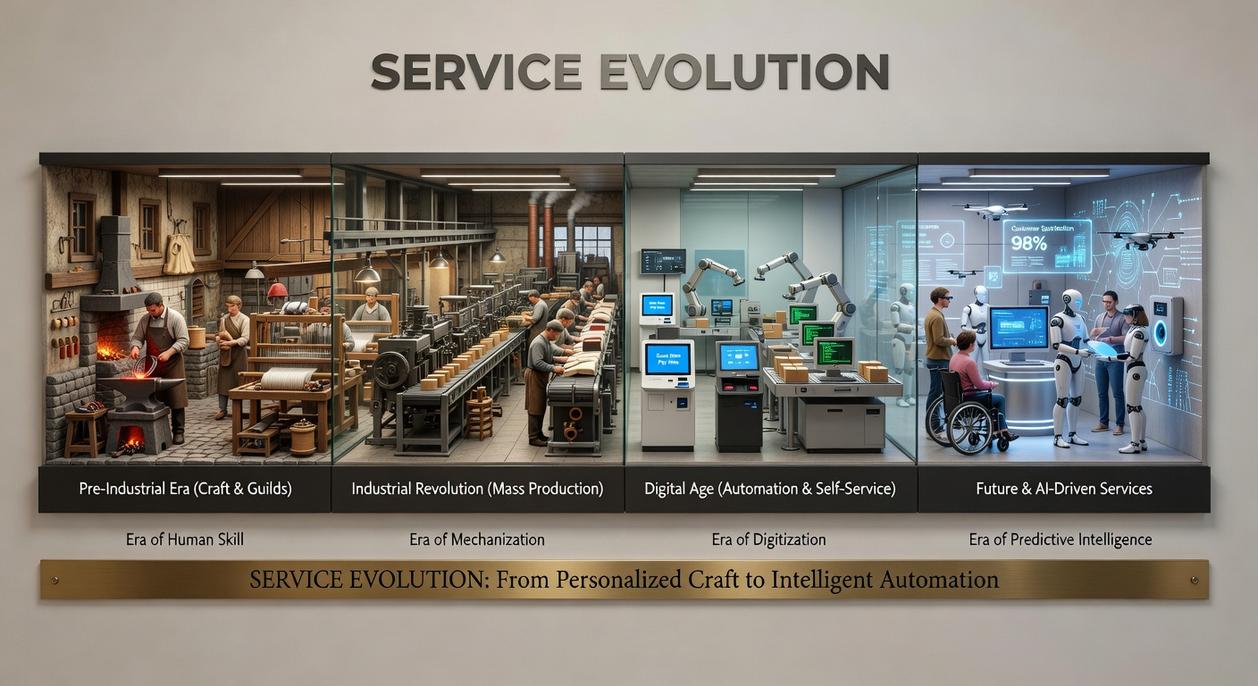
Modern live service games evolution has turned what used to be a boxed product into something closer to a living city. Players now expect cross-play (the ability to play with others across different platforms) and cross-progression (carrying your progress across devices). Once considered a bonus feature, it’s now table stakes. If your squad can’t jump from PC to console like it’s the multiverse in Spider-Man: No Way Home, players notice.
Some argue cross-play adds unnecessary complexity and security risks. They’re not wrong—synchronizing player data across ecosystems is notoriously difficult (and yes, one mismatch can corrupt inventories). But without it, communities fracture. For a deeper look, see the rise of cross platform play and its impact on gamers.
Behind the scenes, zero-downtime ambitions rely on:
- Distributed server clusters to prevent single points of failure
- Continuous integration pipelines for rapid hotfix deployment
- Content delivery networks (CDNs) to push updates globally
Think of it like changing the stage set while the concert is still happening (Taylor Swift-level logistics).
Critics say constant updates create instability. Yet robust persistence systems—databases that track player actions long term—make shared worlds meaningful. When a city rebuilds after a live event, or a boss stays defeated for weeks, that memory becomes communal lore. Technology doesn’t just support the world. It remembers it.
More Than a Game: Building Communities Through Live Events
Massive in-game events create “you had to be there” moments—like Fortnite’s Travis Scott concert or MMO world-ending raids—that blur entertainment and participation. Critics argue these spectacles are distractions, funneling resources away from core gameplay. Fair point. But history shows shared rituals strengthen communities (Putnam, 2000). In gaming, that translates into:
- Collective memories
- Social bonds
- Renewed engagement
These events also reflect live service games evolution, where limited-time modes double as esports testing grounds. Some dismiss them as gimmicks. Yet many competitive staples began as experiments. (Remember when battle royales were “just a mode”?)
What’s Next for the Games That Never End?
We’ve watched live service games evolution reshape the industry—dynamic narratives that shift mid-season, fairer monetization models, seamless cross-platform tech, and community-driven events that feel more like digital festivals than updates. And yet, players still grumble about grindy battle passes and “limited-time” modes that vanish too soon (we remember).
The truth? The best titles aren’t just games anymore. They’re social platforms—hangouts where friendships form and inside jokes outlive metas.
Looking ahead:
- User-generated worlds may rival dev-created ones.
- AI-driven events could react in real time.
- Deeper digital integration feels inevitable.
Exciting? Absolutely. Exhausting? Also yes.
Level Up Your Strategy in Today’s Gaming Landscape
You came here to better understand how modern gaming is shifting—and now you can clearly see how live service games evolution is reshaping competition, progression systems, and long-term player engagement. The constant updates, seasonal models, and meta changes can feel overwhelming, especially when you’re trying to stay competitive without wasting time on outdated strategies.
The reality is simple: if you’re not adapting, you’re falling behind. Mastering patch cycles, optimizing your gear builds, and anticipating balance changes are no longer optional—they’re essential.
Here’s your next move: start analyzing update patterns, refine your loadouts based on current meta data, and stay plugged into trusted gaming insights that break down changes before they impact your rank. Join thousands of competitive players who rely on expert-backed breakdowns and proven strategies to stay ahead of the curve.
Don’t let shifting mechanics and constant updates cost you wins. Plug into smarter insights, sharpen your strategy, and take control of your grind today.
 Lead Gaming Analyst & Content Strategist
Ask Williem Puckettiero how they got into scookie gaming mechanics deep dive and you'll probably get a longer answer than you expected. The short version: Williem started doing it, got genuinely hooked, and at some point realized they had accumulated enough hard-won knowledge that it would be a waste not to share it. So they started writing.
What makes Williem worth reading is that they skips the obvious stuff. Nobody needs another surface-level take on Scookie Gaming Mechanics Deep Dive, Insider Knowledge, Gamer Gear Optimization Tips. What readers actually want is the nuance — the part that only becomes clear after you've made a few mistakes and figured out why. That's the territory Williem operates in. The writing is direct, occasionally blunt, and always built around what's actually true rather than what sounds good in an article. They has little patience for filler, which means they's pieces tend to be denser with real information than the average post on the same subject.
Williem doesn't write to impress anyone. They writes because they has things to say that they genuinely thinks people should hear. That motivation — basic as it sounds — produces something noticeably different from content written for clicks or word count. Readers pick up on it. The comments on Williem's work tend to reflect that.
Lead Gaming Analyst & Content Strategist
Ask Williem Puckettiero how they got into scookie gaming mechanics deep dive and you'll probably get a longer answer than you expected. The short version: Williem started doing it, got genuinely hooked, and at some point realized they had accumulated enough hard-won knowledge that it would be a waste not to share it. So they started writing.
What makes Williem worth reading is that they skips the obvious stuff. Nobody needs another surface-level take on Scookie Gaming Mechanics Deep Dive, Insider Knowledge, Gamer Gear Optimization Tips. What readers actually want is the nuance — the part that only becomes clear after you've made a few mistakes and figured out why. That's the territory Williem operates in. The writing is direct, occasionally blunt, and always built around what's actually true rather than what sounds good in an article. They has little patience for filler, which means they's pieces tend to be denser with real information than the average post on the same subject.
Williem doesn't write to impress anyone. They writes because they has things to say that they genuinely thinks people should hear. That motivation — basic as it sounds — produces something noticeably different from content written for clicks or word count. Readers pick up on it. The comments on Williem's work tend to reflect that.