Ever felt like your aim is spot-on, yet you still lose because you tilt or blank out? That hit me hard. We’re diving deep into mental prep esports here because guess what?
Your mind is your ultimate weapon. I’ve spent years dissecting the mindsets of eSports pros, figuring out what makes the great ones tick. It’s more than just reflexes.
What’s the secret sauce that keeps them cool under pressure while you’re throwing your keyboard?
We’ll lay out a complete guide to eSports mental readiness training. You’ll walk away with real techniques, not just fluffy advice, to toughen up mentally. Expect to build mental resilience, sharpen focus, and handle competitive pressure like a champ.
Stick around. You’ll leave with the mental edge you’ve been missing.
The Mental Meta: Why Your Brain is Your Best Peripheral
Let’s talk mental readiness in esports. It’s not just a buzzword. It’s your ability to hit those peak performances consistently, even when the pressure’s on.
Imagine this: your brain is the CPU in your gaming rig. You upgrade the GPU for smoother graphics, but if your CPU lags, everything suffers. That’s your decision-making.
Key in gaming, right?
Mechanical skill takes you far, but mental performance. Nah, that’s the real game-changer. Focus is first.
Can you stay locked in when you’re down by two in the finals? Emotional regulation? Yup, keeping cool is an art.
And decision-making speed? It’s more than just reflexes. It’s reflexes with intention.
Lastly, resilience. How fast do you bounce back from failure?
Pro tip: You might hit a wall with physical practice, but mental practice? The sky’s the limit. Practicing mental prep esports isn’t optional anymore; it’s important.
Consider Faker from League of Legends. He didn’t just dominate with mechanics. It was his mental fortitude that turned tight matches.
He read opponents like a book while maintaining zen-like calm under insane stress.
Are you thinking what I’m thinking? Training your brain is like upgrading that CPU. It amplifies everything else.
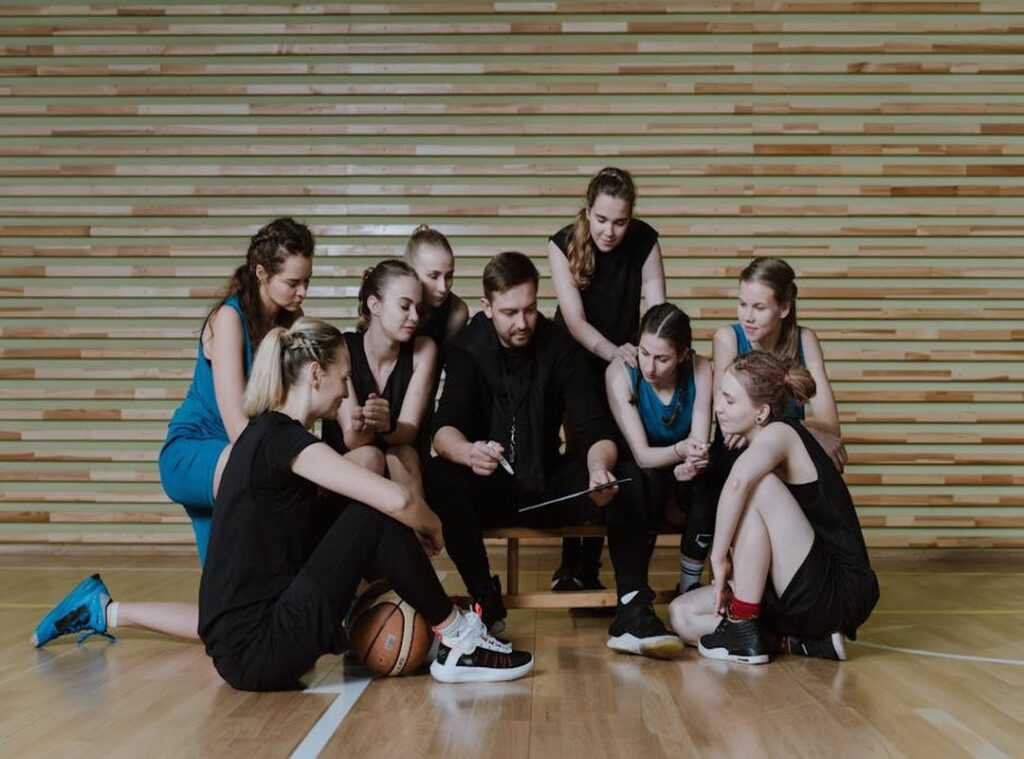
So, where do you start? Maybe with coaching. Coaches aren’t just for physical skill.
They play a key role in mental prep, too. Want to learn more about how coaches fit into all this? Start there.
Level Up Your Focus: Core Concentration Drills for Gamers
Ever find yourself zoning out mid-game? We’ve all been there. You’re in the middle of a match, and suddenly your mind wanders.
Next thing you know, you’re respawning and wondering what just happened. It’s frustrating, right?
Let’s break it down. There’s a difference between passive and active attention. Passive attention is when your mind drifts without you even noticing.
Active attention? That’s when you’re fully engaged, making deliberate choices. So how do you keep your focus sharp?
Enter “Attention Shifting” drills. Here’s a pro tip: in a MOBA, cycle your focus every five seconds. Look at the minimap, check your cooldowns, then scan for enemy positions.
Repeat. Make it a habit. It’s like mental gymnastics for your brain.
But what about those times when you just can’t focus? Try the “VOD Review for Mental Errors” technique. Re-watch a lost game and pinpoint where your focus dropped.
Was it mental fatigue or just a bad call? You’ll learn more from those moments than any victory.
Before you queue up, consider a pre-game “Mental Warm-up” routine. I’m not talking about aim training. Spend 5-10 minutes doing a simple focus exercise or meditation.
Clear your mind. Prepare yourself for battle. You’ll feel the difference.
And let’s not forget the impact of a “Digital Detox.” Constant social media scrolling is killing your attention span. I mean, how often do you find yourself reaching for your phone between matches? Cut it out.
Your in-game focus will thank you.
For more on how mental prep can boost your game, check out mental prep esports. It’s eye-opening how much your mind matters more than raw mechanics.
Tilt-Proofing Your Mindset: Control Your Emotional State
Let’s talk about “tilt.” It’s not just getting mad. It’s any emotional state that screws up your decision-making when gaming. Ever lost a match because you got too frustrated?

I have. And it wasn’t just about losing. It was about making dumb decisions because my emotions took over.
But we can fix that. Here’s the A-B-C technique that’s gold for controlling tilt. Acknowledge the feeling first.
Like, “I am frustrated.” Then breathe. Try box breathing. Inhale for four seconds, hold for four, exhale for four, and hold again for four.
It’s a game-changer. Finally, choose a productive response. Focus on the next goal instead of dwelling on the mistake.
Here’s a thought: what if we saw mistakes as learning points? Instead of blaming bad luck or teammates, ask, “What can I learn from this?” (I know, easier said than done.) This is what I call “Productive Frustration.” It’s about shifting the mindset from failure to growth.
Speaking of resets, after a bad play, say out loud, “Reset and refocus.” Simple but effective. Or just take a sip of water. It breaks the cycle of negativity.
After the match, whether you win or lose, decompress. Don’t carry that emotional baggage into the next game. It’s like a mental detox.
Trust me, it helps.
Think this isn’t relevant outside gaming? Well, you’re wrong. It’s all about mental prep esports strategies that work in any competitive environment.
Speaking of combining life with gaming, you might want to learn more about balancing these demands. It’s a handy guide to keep your head in the game.
Remember, managing tilt isn’t an overnight fix. But with practice, you’ll keep your head in the game.
Building Your Mental Gym: A Sustainable Training Routine
Creating a Mental Gym is more than just a catchy phrase. It’s a way to build consistency in mental prep esports. You can’t just rely on individual techniques and hope for the best.
Think of it like a workout schedule but for your mind.
Start small. Pick one technique from this article, practice it for a week, then gradually add more.
Here’s a simple routine: Monday, dive into VOD review focusing on mental errors. Tuesday, do a 10-minute focus drill. Wednesday, rest (yes, rest is part of training).
Thursday, another VOD review. Friday, a 10-minute pre-game warm-up.
Starting small is key. Overloading yourself is a recipe for burnout.
Track your progress. Use a journal or notepad to log your mental states. This helps spot recurring triggers for tilt or loss of focus.
You might be surprised by what you find.
Doesn’t it feel like the gaming world is all about the big wins? But real growth happens in these small, consistent steps. It’s not flashy, but it’s effective.
So what’s stopping you from starting your own mental gym today?
Raise Your Game: Start Today
Raw mechanical skill alone won’t cut it in competitive gaming. I’ve been there. You need more than nimble fingers to win consistently.
This is where mental prep esports shines. Structured mental readiness training turns vague ideas like focus and resilience into concrete drills. These drills can be part of your routine, making your performance pressure-proof.
Why leave your mind (the) most key asset. To chance? Don’t just think about it.
Act. Pick one drill from this guide and start using it in your next warm-up. Open up your potential and dominate.
Ready to transform your game? Start now.
 Lead Gaming Analyst & Content Strategist
Ask Williem Puckettiero how they got into scookie gaming mechanics deep dive and you'll probably get a longer answer than you expected. The short version: Williem started doing it, got genuinely hooked, and at some point realized they had accumulated enough hard-won knowledge that it would be a waste not to share it. So they started writing.
What makes Williem worth reading is that they skips the obvious stuff. Nobody needs another surface-level take on Scookie Gaming Mechanics Deep Dive, Insider Knowledge, Gamer Gear Optimization Tips. What readers actually want is the nuance — the part that only becomes clear after you've made a few mistakes and figured out why. That's the territory Williem operates in. The writing is direct, occasionally blunt, and always built around what's actually true rather than what sounds good in an article. They has little patience for filler, which means they's pieces tend to be denser with real information than the average post on the same subject.
Williem doesn't write to impress anyone. They writes because they has things to say that they genuinely thinks people should hear. That motivation — basic as it sounds — produces something noticeably different from content written for clicks or word count. Readers pick up on it. The comments on Williem's work tend to reflect that.
Lead Gaming Analyst & Content Strategist
Ask Williem Puckettiero how they got into scookie gaming mechanics deep dive and you'll probably get a longer answer than you expected. The short version: Williem started doing it, got genuinely hooked, and at some point realized they had accumulated enough hard-won knowledge that it would be a waste not to share it. So they started writing.
What makes Williem worth reading is that they skips the obvious stuff. Nobody needs another surface-level take on Scookie Gaming Mechanics Deep Dive, Insider Knowledge, Gamer Gear Optimization Tips. What readers actually want is the nuance — the part that only becomes clear after you've made a few mistakes and figured out why. That's the territory Williem operates in. The writing is direct, occasionally blunt, and always built around what's actually true rather than what sounds good in an article. They has little patience for filler, which means they's pieces tend to be denser with real information than the average post on the same subject.
Williem doesn't write to impress anyone. They writes because they has things to say that they genuinely thinks people should hear. That motivation — basic as it sounds — produces something noticeably different from content written for clicks or word count. Readers pick up on it. The comments on Williem's work tend to reflect that.