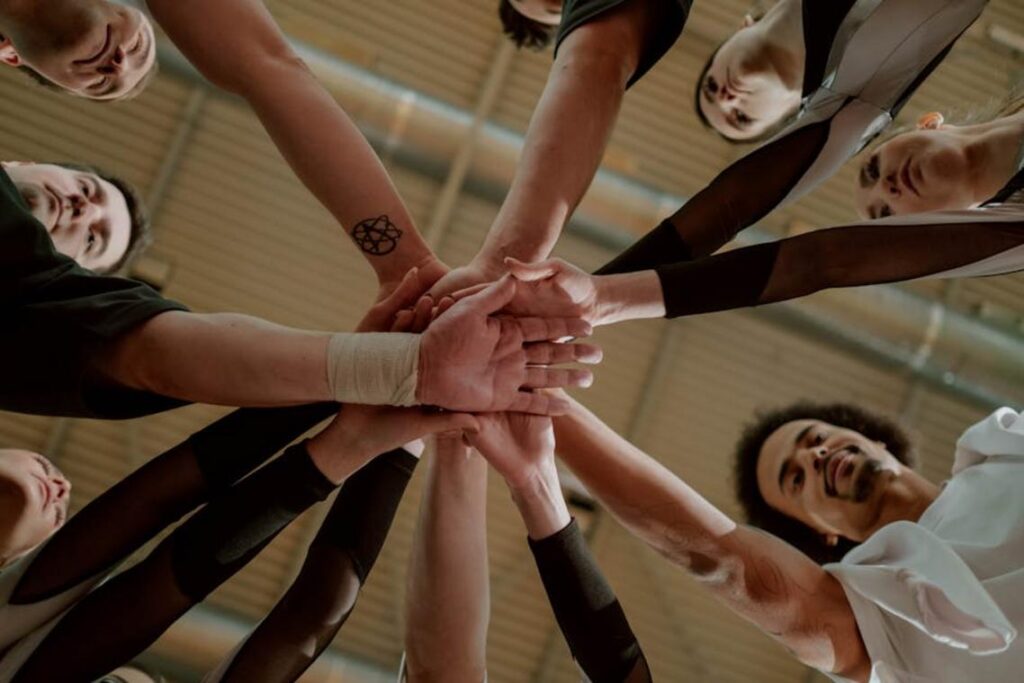

Esports isn’t just evolving in skill ceiling or prize pools—it’s transforming in how teams function, communicate, and win. If you’re here, you’re likely trying to understand how modern competitive rosters operate, why certain lineups dominate, and what separates consistent contenders from short-lived hype squads. This article breaks down the esports team dynamics evolution shaping today’s competitive scene, from strategic role specialization and in-game leadership structures to data-driven coaching and mental performance integration.
We’ve analyzed current tournament meta shifts, roster changes across major titles, and performance trends from top-tier competitions to give you insight rooted in real competitive patterns—not speculation. Whether you’re a competitive player, aspiring coach, or dedicated fan, you’ll gain a clear understanding of how communication systems, practice regimens, and analytical tools are redefining team success.
By the end, you’ll see how elite teams are engineered—and what that means for the future of competitive gaming.
Remember the late-90s LAN party: tangled cables, warm soda, shouted callouts over blasting speakers. Now picture a modern esports arena: silent, focused, five players moving like a single organism. The difference isn’t just production value; it’s teamwork.
Raw mechanics once carried matches. However, today victory demands structure: defined roles, data reviews, and mental coaching. This esports team dynamics evolution rewards squads that practice communication drills, review VODs, and set clear in-game protocols.
For example, schedule strategy scrims, assign a shot-caller, and debrief with measurable goals. Additionally, rotate pressure scenarios so every player adapts. Do this consistently, and your roster evolves.
The Pioneer Era: When Friendship Was the Ultimate Strategy
In the early days of Quake and Counter-Strike 1.6, competitive gaming wasn’t an industry—it was a LAN party that got out of hand (in the best way). Teams formed through local cafés, IRC channels, and friend groups who simply played together nonstop. Trust wasn’t coached; it was built during 3 a.m. scrims and shared pizza slices. That foundation meant faster reactions and fewer ego clashes—an underrated competitive edge.
Strategy? Often raw and reactive. Instead of playbooks, squads relied on repetition and instinct. Smoke placements and rush timings evolved organically, not from spreadsheets. The benefit was adaptability: players learned by doing, not theorizing.
Leadership structures were loose. The loudest or most mechanically gifted player naturally became the shot-caller. There was no formal “In-Game Leader” title—just someone saying, “Go B, now.” Communication mirrored that chaos: blunt, unfiltered callouts without today’s polished brevity.
It was messy, inefficient—and the blueprint for esports team dynamics evolution.
The turning point came when prize pools ballooned and sponsorship logos from hardware brands and energy drink giants splashed across jerseys. Suddenly, tournaments weren’t weekend bragging rights; they were six-figure paydays. That influx of capital redefined expectations. Teams now operated under a professional mandate: perform or be replaced. In practical terms, this meant scheduled scrims, analytics reviews, and performance metrics that tracked everything from APM to communication efficiency. The benefit? Higher skill ceilings and more consistent results. The cost? Relentless pressure that blurred the line between passion and paycheck.
Consequently, the first team houses emerged—shared living spaces designed for controlled, high-volume practice. On paper, they mirrored traditional sports facilities; in reality, they sometimes felt like a reality TV show. Structured routines improved synergy, yet constant proximity sparked interpersonal conflict and burnout. This phase marked a critical moment in esports team dynamics evolution.
However, as stakes climbed, contracts overtook camaraderie. Buyouts, salary clauses, and performance incentives formalized relationships, ensuring accountability but encouraging ruthless roster swaps. Friendship gave way to free-agency chess moves—less “Avengers” assemble, more Moneyball calculus. Results improved, brands grew, and the industry matured, even if the locker-room innocence faded. And the games were never casual again. For anyone involved.
The Modern Organization: Building a Team Beyond the Players

I remember visiting a semi-pro esports house five years ago—five players, one Wi-Fi router, and a dream. Today? Top-tier organizations look more like NFL franchises than gaming squads. That shift didn’t happen by accident.
The Corporate Model
Modern esports teams operate under a corporate model—meaning structured leadership, defined departments, and performance accountability. There’s a CEO, operations staff, marketing teams, and competitive divisions. In other words, it’s not just about who clicks heads fastest. It’s about infrastructure. Traditional sports franchises have used this blueprint for decades (Forbes has repeatedly noted franchise-style growth in esports valuations). Naturally, esports followed suit.
The Rise of the Support Staff
At the center sits the Head Coach—the strategic architect. They design practice regimens, craft macro-level strategies (big-picture game plans), and manage draft priorities. Think chess grandmaster, not cheerleader.
Next comes the Analyst. This is the data brain. They review VODs (recordings of past matches), track opponent tendencies, and identify exploitable statistical trends. It’s Moneyball, but with kill-death ratios.
Then there’s the Sports Psychologist. High-stakes tournaments trigger cortisol spikes and burnout risks—issues well documented in discussions around burnout in competitive gaming causes and prevention strategies. Managing stress and team conflict isn’t optional anymore; it’s performance-critical.
Finally, the performance ecosystem includes nutritionists, physical trainers, and logistics managers. Pro tip: structured sleep and diet plans alone can measurably improve reaction times (Sleep Foundation research supports this).
Some argue this is overkill—”It’s just gaming.” But esports team dynamics evolution proves otherwise. When millions are on the line, professionalism isn’t extra. It’s essential.
Inside the Server: How Gameplay Demanded Hyper-Specialization
There was a time when shooters were simple: aim fast, react faster. Call it Arena Era vs. Tactical Era. In early FPS titles, mechanical skill ruled. Today? Games like League of Legends and Dota 2 (multiplayer online battle arenas, or MOBAs) and tactical shooters like VALORANT and CS:GO demand layered strategy, economy tracking, cooldown management, and role discipline. GOOD AIM is baseline. Decision-making wins championships.
Then vs. Now:
- Then: Best player carries.
- Now: Best system prevails.
That shift sparked defined roles. Instead of a vague “leader,” we got specialists:
- Entry Fragger – creates space by taking first contact.
- Support – enables others with utility and resources.
- AWPer – sniper specialist controlling sightlines.
- Jungler – map-pressure architect in MOBAs.
- Initiator – forces engagements on cue.
Some argue roles limit creativity. Fair. But specialization increases efficiency (like a pit crew vs. one multitasking driver).
Communication evolved too. Early callouts were reactive: “He’s mid!” Modern comms are pre-structured, economy-aware, and EXECUTED on cue. Set plays are rehearsed like stage choreography.
At the highest tier, teams chase a “hive mind.” Through relentless scrims and VOD review, they minimize verbal clutter and maximize anticipation. This esports team dynamics evolution mirrors traditional sports: less noise, more trust.
A stack of talented players? Dangerous. A synchronized unit? Unstoppable.
The journey from scrappy friend groups to structured, multi-layered organizations has been fast. Early rosters thrived on vibes; today’s teams rely on analysts, sports psychologists, and performance coaches. That shift defines esports team dynamics evolution.
Now AI enters as a DIGITAL SIXTH MAN—processing scrim data, flagging positioning errors, and simulating opponents in seconds. Some argue this risks over-automation. Fair. But when used well, AI supports, not replaces, instinct.
To apply this:
- REVIEW data weekly, not daily.
- TRANSLATE stats into simple callouts.
- PROTECT trust during feedback.
Despite smarter tools, chemistry still wins championships. Integrate insights, guard communication, and build unbreakable cohesion.
Level Up Your Competitive Edge
You came here to better understand how competitive gaming is shifting — from strategy refinement to esports team dynamics evolution — and how those changes impact performance. Now you’ve seen how communication structures, role specialization, mental resilience, and meta adaptation separate average squads from championship contenders.
The reality is this: falling behind on evolving team structures and high-level mechanics doesn’t just cost matches — it costs momentum, reputation, and long-term growth. In today’s scene, raw skill isn’t enough. Teams that win consistently are the ones that adapt faster, optimize smarter, and treat synergy like a science.
So here’s your next move: start analyzing your team’s coordination patterns, review your role efficiency, and implement structured practice systems that reflect today’s competitive standards. Don’t just grind — refine.
If you’re serious about dominating your bracket, stay plugged into proven strategies, meta breakdowns, and advanced team optimization insights trusted by competitive players who refuse to plateau. Level up your approach now — because the teams that evolve first are the teams that win.
 Esports & Community Insights Editor
Karins Langisonz has opinions about scookie gaming mechanics deep dive. Informed ones, backed by real experience — but opinions nonetheless, and they doesn't try to disguise them as neutral observation. They thinks a lot of what gets written about Scookie Gaming Mechanics Deep Dive, Geek-Level Gaming Strategies, Gamer Gear Optimization Tips is either too cautious to be useful or too confident to be credible, and they's work tends to sit deliberately in the space between those two failure modes.
Reading Karins's pieces, you get the sense of someone who has thought about this stuff seriously and arrived at actual conclusions — not just collected a range of perspectives and declined to pick one. That can be uncomfortable when they lands on something you disagree with. It's also why the writing is worth engaging with. Karins isn't interested in telling people what they want to hear. They is interested in telling them what they actually thinks, with enough reasoning behind it that you can push back if you want to. That kind of intellectual honesty is rarer than it should be.
What Karins is best at is the moment when a familiar topic reveals something unexpected — when the conventional wisdom turns out to be slightly off, or when a small shift in framing changes everything. They finds those moments consistently, which is why they's work tends to generate real discussion rather than just passive agreement.
Esports & Community Insights Editor
Karins Langisonz has opinions about scookie gaming mechanics deep dive. Informed ones, backed by real experience — but opinions nonetheless, and they doesn't try to disguise them as neutral observation. They thinks a lot of what gets written about Scookie Gaming Mechanics Deep Dive, Geek-Level Gaming Strategies, Gamer Gear Optimization Tips is either too cautious to be useful or too confident to be credible, and they's work tends to sit deliberately in the space between those two failure modes.
Reading Karins's pieces, you get the sense of someone who has thought about this stuff seriously and arrived at actual conclusions — not just collected a range of perspectives and declined to pick one. That can be uncomfortable when they lands on something you disagree with. It's also why the writing is worth engaging with. Karins isn't interested in telling people what they want to hear. They is interested in telling them what they actually thinks, with enough reasoning behind it that you can push back if you want to. That kind of intellectual honesty is rarer than it should be.
What Karins is best at is the moment when a familiar topic reveals something unexpected — when the conventional wisdom turns out to be slightly off, or when a small shift in framing changes everything. They finds those moments consistently, which is why they's work tends to generate real discussion rather than just passive agreement.