

If you’re trying to understand why so many modern titles are built around the live service game model, you’re not alone. Players want to know how it affects gameplay, progression, monetization, and long-term value before they invest their time — or money. This article breaks down exactly how the live service game model works, why studios rely on it, and what it means for competitive balance, content updates, and community engagement.
We analyze current gaming trends, esports ecosystems, and in-game economic systems to give you a clear, mechanics-focused perspective — not just surface-level commentary. By examining real examples, player retention strategies, and update cycles across today’s most popular titles, you’ll gain a practical understanding of how these games evolve over time.
Whether you’re a competitive player, a casual fan, or just curious about where the industry is heading, this guide will help you navigate the structure, strengths, and pitfalls of modern live service design.
Gaming used to mean cracking open a case, breathing in plastic scent, and owning the disc forever. Now, subscriptions hum in the background, charging monthly while worlds expand. So how do you spot evolving universes versus cash grabs?
First, check content cadence: are updates meaty or thin? Next, gauge community buzz and developer transparency. A strong live service game model delivers patches, events, meaningful rewards.
Consider this snapshot:
| Factor | Worth It Sign |
| Updates | Regular, substantial drops |
| Monetization | Fair, optional extras |
| Community | Active, responsive devs |
Ultimately, trust playtime value.
Defining the ‘Live Service’ Promise: More Than Just a Monthly Fee
The term “Live Service” gets thrown around a lot, often confused with simple subscriptions. Here’s the clear version: a live service game model is built for LONG-TERM engagement, delivering continuous updates, events, and expansions instead of a one-and-done release. Think of it less like buying a movie ticket and more like subscribing to an evolving TV series.
The Player “Pro” List
- An evolving world: Maps change, metas shift, and new storylines appear.
- Fresh challenges: Seasonal quests and limited-time modes keep gameplay dynamic.
- Ongoing support: Developers patch balance issues and respond to feedback (when things go well).
- Community momentum: Shared events create that “everyone’s playing this” buzz—very Fortnite circa 2018.
The Player “Con” List
- FOMO pressure: Miss a season, miss exclusive rewards.
- Recurring costs: Battle passes and expansions add up.
- Abandonment risk: If player numbers drop, updates can slow—or stop entirely.
Some argue this model prioritizes monetization over creativity. That’s fair. However, predictable revenue lets studios fund ambitious, years-long roadmaps instead of rushing sequels. In short, LIVE SERVICE isn’t just about paying monthly—it’s about committing to a game that promises to grow, adapt, and (ideally) stick around.
The Gamer’s Gauntlet: A 3-Point System for Judging Subscription Value
Every subscription game promises endless adventure. Fewer deliver. After years of raids, battle passes, and “limited-time” events (that somehow always return), I’ve settled on a simple filter: The Three C’s — Content, Community, and Cost. If a game fails one, I start side-eyeing my credit card statement.
1. Content Cadence & Quality
This is the backbone. Content cadence means how often meaningful updates arrive. Are we getting full expansions, new classes, and raids? Or just neon armor skins?
In the live service game model, studios drip-feed updates to keep players engaged. When done well—think Final Fantasy XIV’s expansion cycles—it feels generous. When done poorly, it feels like reheated leftovers.
Pro tip: Track update frequency over six months before committing long term.
2. Community Health & Engagement
A subscription isn’t just access to servers; it’s access to people. A thriving guild scene, active matchmaking, and developer-run events add intangible value. Studies show social connection is a primary driver of gaming retention (Entertainment Software Association, 2023).
Dead chat channels? That’s a red flag. Even the best mechanics can’t save a ghost town (just ask anyone who’s clung to a dying MMO out of nostalgia).
3. Cost vs. Content Ratio
Here’s my rule: divide your monthly fee by hours played. If you pay $15 and log 30 quality hours, that’s $0.50 per hour. Cheaper than most hobbies.
Some argue subscriptions are outdated compared to free-to-play. I disagree. Predictable pricing often beats aggressive microtransactions.
And if you’re debating platforms, see cloud gaming vs console gaming whats gaining momentum before choosing your next ecosystem.
Pass all three C’s? Subscribe. Fail one? Proceed cautiously.
Case Studies: The Titans of the Subscription Model
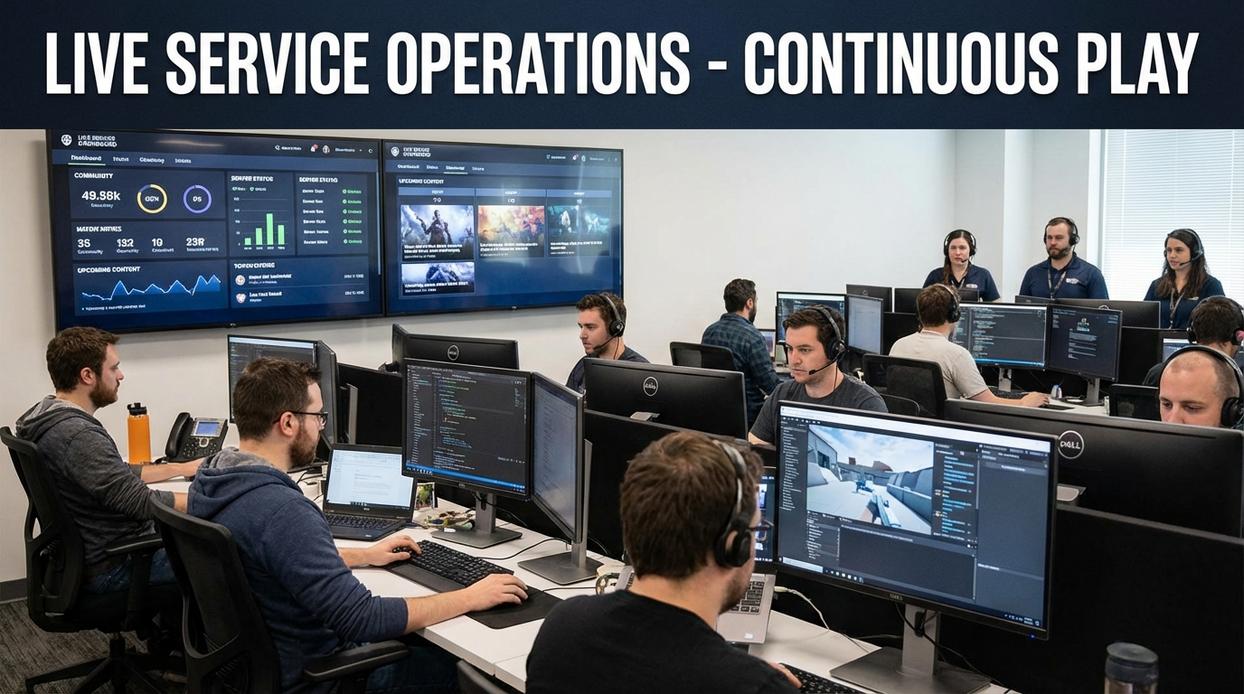
Subscription games can feel confusing. Are you paying for access, for content, or for community? Let’s break down three dominant approaches—and why they work.
The MMO Kings
World of Warcraft and Final Fantasy XIV operate on what’s often called a live service game model—meaning the game continuously evolves with updates rather than shipping once and stopping. Their success can be explained through the Three C’s: Content, Community, and Consistency.
- Content: Massive expansion packs add new zones, raids, and story arcs that rival full standalone games (Blizzard reports WoW expansions regularly sell millions of copies at launch).
- Community: Guilds, in-game events, and social ecosystems create retention loops. Players stay because their friends stay.
- Consistency: Predictable patch cycles build trust. You know when the next raid tier is coming.
Critics argue monthly fees are outdated in a free-to-play era. Fair. But these MMOs justify subscriptions through scale and depth (it’s less a game, more a second home).
The Evolving Shooter
Destiny 2 uses a hybrid approach: a free base game with optional seasonal passes. A season pass is a time-limited content track offering missions, cosmetics, and gear for a fixed price.
The value lies in its content cadence—regular drops every few months—and the gear-chase loop, where players replay activities for stronger loot. Some argue this creates FOMO (fear of missing out). True. But for engaged players, the steady stream of objectives keeps momentum high.
The “All You Can Play” Buffet
Xbox Game Pass flips the formula. Instead of one evolving world, you subscribe to a rotating library. Value comes from discovery and variety. Microsoft reports over 25 million subscribers, driven partly by first-party games launching day one on the service (Microsoft, 2022).
Skeptics question long-term sustainability. Yet for players who sample widely, the cost-to-content ratio is hard to beat.
Different models. Different value. Same core principle: give players a reason to keep showing up.
Making the Right Call for Your Gaming Budget
Choosing where to spend your limited gaming time and money isn’t easy. With subscriptions, battle passes, and the ever-present live service game model, the options blur together fast. Marketing promises endless content—but your wallet (and calendar) know better.
Some players argue you should just follow the hype. If everyone’s playing it, it must be worth it, right? Not necessarily. Popularity doesn’t always equal personal value. Others insist that sticking to one franchise forever is safest. But loyalty without evaluation can drain both fun and funds.
That’s where the Three C’s come in:
- Content – Is there a meaningful pipeline of updates, quests, or modes?
- Community – Is the player base active, welcoming, and sustainable?
- Cost – Does the price match the hours and enjoyment you’ll realistically get?
This framework cuts through noise (because trailers always look amazing). Now, apply it to a game you’re considering. Do you value fresh challenges, social energy, or sheer variety most?
As players increasingly seek ongoing engagement and evolving experiences, the success of live service games can be partly attributed to their dynamic core gameplay loops, which are essential to grasp for anyone interested in understanding how they mirror the mechanics outlined in our article, ‘Understanding Core Gameplay Loops in Scookie-Style Games.’
Mastering the Future of the Live Service Experience
You came here to understand how the live service game model really works—and more importantly, how to stay ahead of it instead of feeling overwhelmed by constant updates, balance changes, battle passes, and shifting metas.
Now you know the mechanics behind seasonal content, monetization loops, and long-term player engagement. You can see how developers design progression systems and why some titles thrive while others burn out. That insight puts you back in control.
The frustration of falling behind, wasting money on the wrong upgrades, or grinding inefficiently doesn’t have to define your experience anymore. When you understand the structure, you play smarter—not harder.
Here’s your next move: stay updated on patch changes, optimize your loadouts with purpose, and follow trusted breakdowns that cut through the noise. Join thousands of competitive players who rely on our deep-dive analysis and strategy guides to stay ahead of every major update.
Stop reacting to the meta. Start mastering it. Dive into the latest guides now and turn every season into your advantage.
 Founder & Chief Visionary Officer
Neylora Vassorin has opinions about gamer gear optimization tips. Informed ones, backed by real experience — but opinions nonetheless, and they doesn't try to disguise them as neutral observation. They thinks a lot of what gets written about Gamer Gear Optimization Tips, Esports and Player Perspectives, Geek-Level Gaming Strategies is either too cautious to be useful or too confident to be credible, and they's work tends to sit deliberately in the space between those two failure modes.
Reading Neylora's pieces, you get the sense of someone who has thought about this stuff seriously and arrived at actual conclusions — not just collected a range of perspectives and declined to pick one. That can be uncomfortable when they lands on something you disagree with. It's also why the writing is worth engaging with. Neylora isn't interested in telling people what they want to hear. They is interested in telling them what they actually thinks, with enough reasoning behind it that you can push back if you want to. That kind of intellectual honesty is rarer than it should be.
What Neylora is best at is the moment when a familiar topic reveals something unexpected — when the conventional wisdom turns out to be slightly off, or when a small shift in framing changes everything. They finds those moments consistently, which is why they's work tends to generate real discussion rather than just passive agreement.
Founder & Chief Visionary Officer
Neylora Vassorin has opinions about gamer gear optimization tips. Informed ones, backed by real experience — but opinions nonetheless, and they doesn't try to disguise them as neutral observation. They thinks a lot of what gets written about Gamer Gear Optimization Tips, Esports and Player Perspectives, Geek-Level Gaming Strategies is either too cautious to be useful or too confident to be credible, and they's work tends to sit deliberately in the space between those two failure modes.
Reading Neylora's pieces, you get the sense of someone who has thought about this stuff seriously and arrived at actual conclusions — not just collected a range of perspectives and declined to pick one. That can be uncomfortable when they lands on something you disagree with. It's also why the writing is worth engaging with. Neylora isn't interested in telling people what they want to hear. They is interested in telling them what they actually thinks, with enough reasoning behind it that you can push back if you want to. That kind of intellectual honesty is rarer than it should be.
What Neylora is best at is the moment when a familiar topic reveals something unexpected — when the conventional wisdom turns out to be slightly off, or when a small shift in framing changes everything. They finds those moments consistently, which is why they's work tends to generate real discussion rather than just passive agreement.