Competitive gaming is evolving faster than ever, and staying ahead means understanding more than just patch notes and tournament results. If you’re here, you’re looking for clear, up-to-date insights into trending gaming news, sharper esports perspectives, and deeper breakdowns of the mechanics that actually decide matches. This article delivers exactly that—cutting through the noise to focus on what truly impacts performance, strategy, and long-term growth in today’s gaming landscape.
We combine hands-on gameplay analysis, data-backed performance trends, and close observation of the competitive scene to ensure every insight is practical and actionable. From gear optimization tips that can elevate your setup to geek-level strategies that separate casual play from elite execution, you’ll find guidance rooted in real competitive understanding.
We also address critical topics like esports mental health challenges, recognizing that peak performance isn’t just mechanical—it’s mental. Whether you’re grinding ranked or competing on stage, this guide is built to help you think smarter, play better, and stay ahead.
Million-dollar prize pools glitter under blinding stage lights, bass thumping through packed arenas as confetti cannons crack overhead. On screen, flawless plays look effortless. Yet behind the headsets, palms sweat, heartbeats hammer, and the room smells faintly of overheated circuits.
However, the roar fades when monitors go dark. What remains is pressure—sponsors waiting, fans judging, rankings slipping. These esports mental health challenges surface as anxiety, insomnia, and burnout that gnaw long after applause dies.
Consequently, slumps and sudden retirements make grim sense. This article explores the human cost beneath the spectacle, beyond mechanics and metas. And why it matters. Deeply.
The Constant Grind: Performance Anxiety and the Fear of Failure
First, imagine competing where one missed skill shot becomes a meme in minutes. That’s the pressure cooker: teams, sponsors, and a global fanbase watching every move. In esports, a single error can spark viral criticism (and yes, Reddit will notice). While some argue that pressure “builds champions,” the reality is more complicated. Without support, it fuels performance anxiety instead of peak play.
Then there’s the always-on culture. Ten- to twelve-hour scrims (structured team practice blocks), followed by VOD reviews (re-watching match footage to analyze mistakes), plus streaming and content creation. In other words, the grind rarely stops. Supporters say this hustle sharpens mechanics. And it can. However, without mental rest, reaction time dips and tilt rises.
Add the fear of obsolescence. Esports careers are notoriously short, and younger, faster talent is always climbing the ladder. That insecurity creates chronic stress—one of the core esports mental health challenges competitors face.
So what’s in it for you by understanding this? Awareness turns symptoms into signals. Shaking hands can ruin aim. Tunnel vision leads to missed flanks. Decision paralysis costs objective control. Recognizing these patterns early lets players reset, breathe, and adapt—transforming anxiety from a silent saboteur into a manageable rival.
Digital Crowds, Real Loneliness: The Challenge of Social Isolation
The Gaming House Paradox
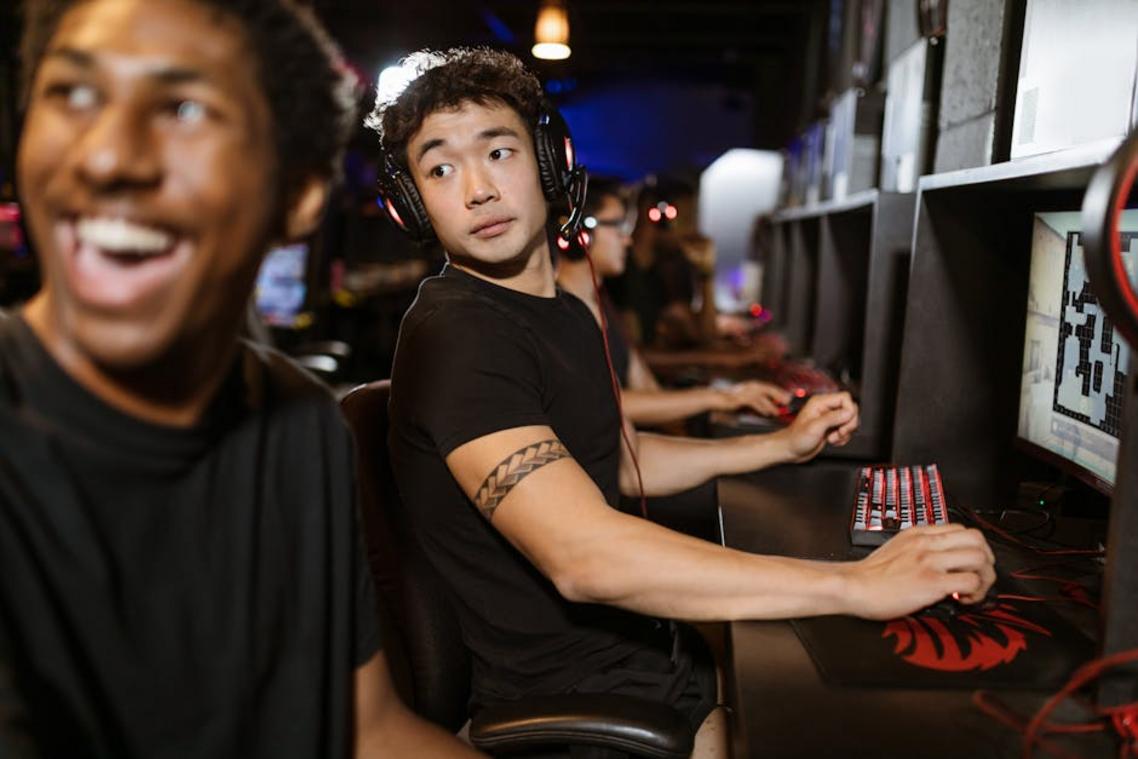
On paper, a gaming house looks like a nonstop sleepover—teammates grinding scrims, sharing meals, chasing trophies. But living and working in the same space can blur boundaries until there are none. When every conversation revolves around strategy, rankings, or patch notes, identity narrows. Home stops feeling like home. (Even “downtime” becomes VOD review.)
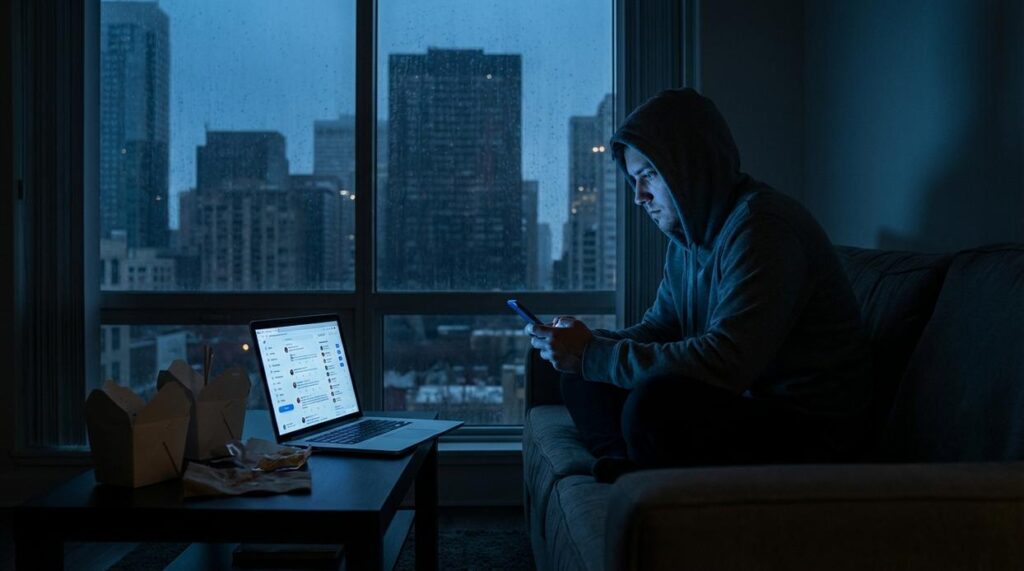
Isolation, in this context, doesn’t mean being alone. It means lacking emotional separation and outside perspective. Players are often far from family, old friends, and familiar routines. The result? Intense loneliness inside a crowded room.
Virtual vs. Reality
Thousands of followers on Twitch or X can create the illusion of connection. But parasocial relationships—one-sided bonds where fans feel close to a creator—don’t replace real-world support. When streams end, silence hits differently.
- Online praise fades fast after a loss
- Teammates are coworkers, not always confidants
- Non-gaming friendships quietly erode
So what happens next? Without a balanced network, players face mounting esports mental health challenges that extend beyond competition.
The Impact on Well-being
Research links prolonged social isolation to higher risks of depression and social anxiety (Cacioppo & Hawkley, 2003). After retirement, reintegration can feel like respawning in an unfamiliar map. Pro tip: build non-gaming relationships early—future you will thank you.
Understanding how structures evolve—like in how esports coaching is transforming competitive play—raises a bigger question: will mental health infrastructure evolve too?
When a hobby pays the bills, it sounds like winning the lottery with XP. But the monetization trap is real. The moment your favorite game becomes rent money, every match carries the emotional weight of a tax audit. That late-night grind stops feeling magical and starts feeling mandatory. Fun quietly clocks out.
Then comes the repetitive strain of the mind. It is not just sore wrists; it is running the same map for the thousandth time and knowing every pixel better than your kitchen. Novelty dies. Strategy becomes muscle memory. Even victories feel copy-pasted. (If Groundhog Day had a leaderboard, this would be it.) Chronic exhaustion sets in, and no energy drink can crit heal it.
Harder still is the loss of self. When your rank is your resume and your username is your identity, a losing streak feels existential. Who are you without the badge, the title, the “Player X” mystique? This is where esports mental health challenges surface.
Some argue pressure builds champions. True. But unrelenting pressure also builds burnout. Pro tip: protect a slice of play that is unmonetized. Keep one mode, one alt account, or one goofy strategy for joy. You are more than KDA today.
Under the Magnifying Glass: Coping with Online Toxicity and Scrutiny
The Unfiltered Feedback Loop
Streaming today isn’t just performance—it’s exposure. On platforms like Twitch, Twitter, and Reddit, feedback is instant and often brutal. Community engagement vs. community attack becomes a daily balancing act. In Scenario A, a creator treats chat as a focus group, filtering critique for growth. In Scenario B, every comment lands unfiltered, turning a live stream into a public trial (jury included). The difference? Boundaries and moderation.
The Psychological Toll
Constant harassment, death threats, and pile-ons can erode confidence and trigger severe anxiety. This isn’t “just logging off.” Studies link cyberbullying to increased depression and stress-related symptoms (APA, 2022). Add esports mental health challenges, and the weight compounds quickly.
- Thick skin myth vs. emotional burnout
- Ignoring trolls vs. internalizing them
The Pressure to Be a ‘Brand’
Authenticity vs. marketability—choose wrong, and one offhand remark sparks controversy. (The internet never forgets.) Pro tip: define personal guardrails before the algorithm defines them for you.
Building resilience in competitive gaming starts with honesty. Players face intense performance pressure, social isolation, identity-linked burnout, and public toxicity that can erode confidence and joy. These esports mental health challenges are not abstract; they show up in scrims, on stage, and across social feeds (and yes, comment sections can be brutal).
The good news: organizations are investing in sports psychologists, mental performance coaches, and nutritionists to build durable careers. Research from the American Psychological Association shows structured mental skills training improves focus and stress management (https://www.apa.org).
Teams should formalize access to licensed clinicians, schedule recovery days, and measure well-being alongside KDA. Players can set boundaries with social media, diversify identity beyond rank, and treat sleep like scrim time. Leagues must mandate standards that reward sustainable practice, not grind culture.
A healthier infrastructure isn’t optional; it’s the meta for long-term success. Protect players now to secure esports tomorrow for everyone.
Level Up Your Game the Right Way
You came here looking for clarity on how to stay competitive, improve your gameplay, and navigate the pressures that come with modern gaming. Now you understand the mechanics, the strategies, and the mindset shifts required to perform at your peak.
But knowledge alone isn’t enough.
The real challenge is applying what you’ve learned—especially when frustration builds, ranked matches get intense, and esports mental health challenges start affecting focus, confidence, and reaction time. Ignoring that pressure is what holds most players back.
If you’re serious about improving, take action now. Review your gameplay habits, optimize your setup, and build a performance routine that protects both your mechanics and your mindset. Thousands of competitive players rely on proven, research-backed strategies to sharpen their edge—so don’t leave your growth to chance.
Start implementing one upgrade today. Refine your skills. Protect your focus. And turn every session into measurable progress.
 Lead Gaming Analyst & Content Strategist
Ask Williem Puckettiero how they got into scookie gaming mechanics deep dive and you'll probably get a longer answer than you expected. The short version: Williem started doing it, got genuinely hooked, and at some point realized they had accumulated enough hard-won knowledge that it would be a waste not to share it. So they started writing.
What makes Williem worth reading is that they skips the obvious stuff. Nobody needs another surface-level take on Scookie Gaming Mechanics Deep Dive, Insider Knowledge, Gamer Gear Optimization Tips. What readers actually want is the nuance — the part that only becomes clear after you've made a few mistakes and figured out why. That's the territory Williem operates in. The writing is direct, occasionally blunt, and always built around what's actually true rather than what sounds good in an article. They has little patience for filler, which means they's pieces tend to be denser with real information than the average post on the same subject.
Williem doesn't write to impress anyone. They writes because they has things to say that they genuinely thinks people should hear. That motivation — basic as it sounds — produces something noticeably different from content written for clicks or word count. Readers pick up on it. The comments on Williem's work tend to reflect that.
Lead Gaming Analyst & Content Strategist
Ask Williem Puckettiero how they got into scookie gaming mechanics deep dive and you'll probably get a longer answer than you expected. The short version: Williem started doing it, got genuinely hooked, and at some point realized they had accumulated enough hard-won knowledge that it would be a waste not to share it. So they started writing.
What makes Williem worth reading is that they skips the obvious stuff. Nobody needs another surface-level take on Scookie Gaming Mechanics Deep Dive, Insider Knowledge, Gamer Gear Optimization Tips. What readers actually want is the nuance — the part that only becomes clear after you've made a few mistakes and figured out why. That's the territory Williem operates in. The writing is direct, occasionally blunt, and always built around what's actually true rather than what sounds good in an article. They has little patience for filler, which means they's pieces tend to be denser with real information than the average post on the same subject.
Williem doesn't write to impress anyone. They writes because they has things to say that they genuinely thinks people should hear. That motivation — basic as it sounds — produces something noticeably different from content written for clicks or word count. Readers pick up on it. The comments on Williem's work tend to reflect that.