
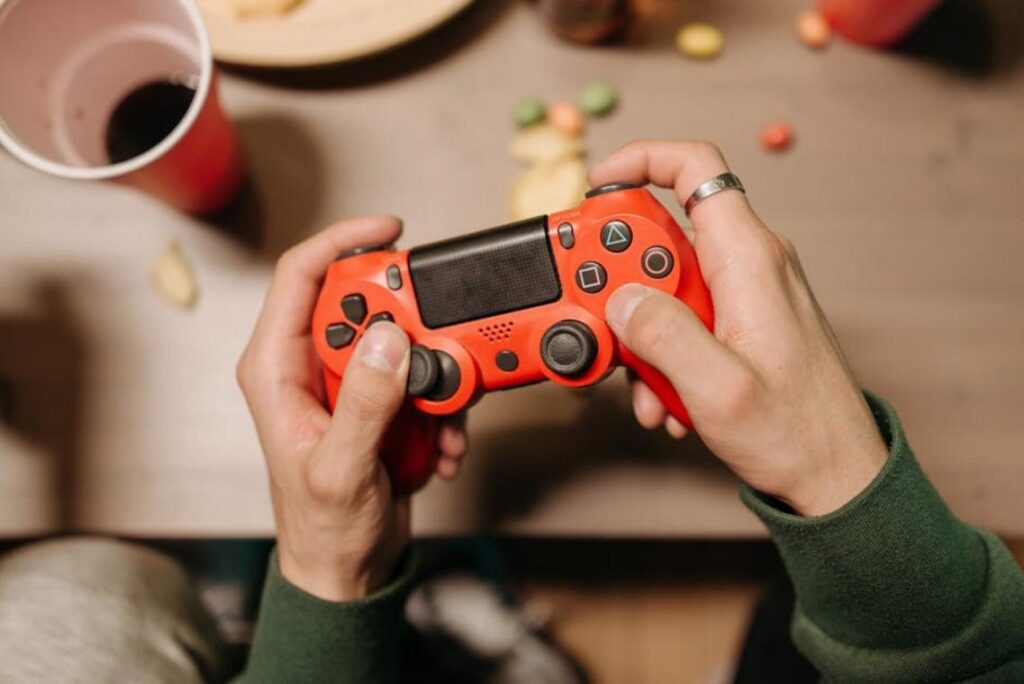
Gaming is evolving faster than ever, and one of the biggest forces shaping the industry right now is cross-platform gaming growth. Players no longer want to be locked into a single console or ecosystem—they expect seamless multiplayer experiences across PC, console, and mobile. If you’re here, you’re likely looking to understand how this shift impacts competitive play, game design, community building, and even your choice of gear.
In this article, we break down what’s driving this surge, how major titles are implementing cross-play, and what it means for esports, matchmaking balance, and long-term player engagement. We analyze current industry data, developer strategies, and real-world gameplay implications to give you a clear, no-hype perspective.
Whether you’re a competitive player, a casual gamer, or someone optimizing your setup for peak performance, this guide will help you understand where cross-platform gaming stands today—and where it’s heading next.
Why Every Major Studio is Tearing Down the Digital Walls
For years, console and PC ecosystems operated like gated cities. Now, those walls are coming down—and not out of generosity. It’s strategy.
The Player Engagement Loop
First, a unified player base simply works better. When Xbox, PlayStation, and PC users share servers, matchmaking (the system that pairs players of similar skill) becomes faster and fairer. More active players mean fuller lobbies, shorter wait times, and healthier competitive scenes. In turn, that boosts retention—the likelihood players stick around long term. Some critics argue platform exclusivity builds brand loyalty. True. But empty servers kill loyalty faster than any rival console ever could.
The Accessibility Advantage
Cross-play also lowers friction. If your friends are on different hardware, you can still squad up. That accessibility widens the funnel for new players and fuels cross-platform gaming growth. Think of it as removing the velvet rope outside the club.
Monetization and Market Reach
From a business lens, one ecosystem means one marketplace. A larger audience increases cosmetic sales, battle passes, and seasonal content revenue. (Skins don’t sell if no one’s online to see them.) Studios extend a game’s lifespan—and profitability.
Case Study: Fortnite
Fortnite’s cross-play rollout helped it surpass 350 million registered players (Epic Games, 2020). Its shared ecosystem amplified in-game purchases and cultural relevance. Looking ahead—this is speculation—we’ll likely see cross-play become standard, not optional, as studios chase scale over silos. For another angle, see why indie games are outperforming aaa titles in player engagement.
The Code Behind the Connection: Overcoming Cross-Play Hurdles

Cross-play sounds simple: let PlayStation, Xbox, and PC players share the same match. In reality, it’s a technical maze. Let’s break it down.
1. The Netcode Nightmare
First, “netcode” refers to the networking system that keeps every player’s game state (the real-time data of positions, actions, and outcomes) synchronized. Each platform—PlayStation Network, Xbox Live, Steam—uses different server rules and security layers. As a result, developers must build translation layers so these systems can “talk” without desyncs or lag spikes. Some argue unified servers should solve this automatically. However, platform-specific encryption and compliance rules make that unrealistic. Think of it less like plugging in a USB and more like coordinating three air-traffic control towers at once (Top Gun energy, but with code).
2. Achieving Input Parity
Next comes balance. Mouse and keyboard offer precision, while controllers rely on analog movement. “Input parity” means ensuring neither feels unfair. Solutions include:
- Input-based matchmaking (grouping players by control type)
- Aim-assist tuning for controllers
- Adjustable sensitivity curves
Critics say aim assist creates unfair advantages. Yet without it, controller players would struggle to compete at all.
3. Unified Account Systems
To connect friends lists and progression, developers rely on third-party accounts. These systems store shared data across platforms, ensuring your unlocked skins or stats persist everywhere.
4. Patching & Certification Hell
Finally, updates must pass each platform’s certification—formal approval processes that test security and stability. Coordinating simultaneous patches is complex, but essential to sustain cross-platform gaming growth.
Leveling the Playing Field: Cross-Play’s Impact on Game Balance and Esports
Cross-play—the ability for players on different hardware (PC, console, mobile) to compete in the same multiplayer environment—sounds simple. In practice, it’s a balancing act worthy of a raid boss.
The Competitive Integrity Question
The biggest concern? Hardware advantage. A PC running 240 frames per second (FPS) can display smoother motion than a console capped at 60 FPS. Higher FPS reduces input latency—the delay between pressing a button and seeing the action on screen. Critics argue that’s inherently unfair.
Developers counter with input-based matchmaking (grouping players by controller or mouse) and aim assist tuning. Aim assist—software that subtly slows or guides controller aim—helps bridge precision gaps. Some purists call it artificial. Others point out that esports has always had standardization rules (think identical tennis rackets in tournaments). The debate isn’t about fairness existing; it’s about how it’s engineered.
Esports Evolution
Cross-play expands the talent pool, fueled by cross-platform gaming growth. More players means fiercer qualifiers and deeper benches. However, tournaments must clarify hardware rules: Are PCs mandatory? Are controllers allowed on PC? Standardization prevents “gear diff” accusations (because no one wants a championship decided by a settings menu).
Gear Optimization in a Mixed Lobby
Geek-level tip: Lower controller deadzones—the area where stick movement doesn’t register—for faster micro-adjustments. Mouse players should fine-tune DPI (dots per inch, or sensitivity scaling) and disable acceleration for consistency. Pro tip: match your sensitivity to a full 360° mouse swipe across your pad.
Community Perspective
Cross-play unites friend groups across platforms, yet divides ranked purists. Player feedback has pushed developers to add opt-out toggles—proof that clarity and choice matter as much as balance.
Cross-progression means your unlocks, rank, and purchases travel with you, whether you log in on console, PC, or mobile. In contrast, the old model locked progress to a single box under your TV. A vs B: stay chained to hardware, or carry your digital life anywhere? The latter clearly wins.
Some argue exclusivity drives sales. Fair. Yet cross-platform gaming growth shows players value freedom over fences (remember when Fortnite skins became social currency?). Ultimately, a unified gaming identity—untethered from plastic and ports—is the endgame. And with cloud streaming removing device limits, will platform choice even matter? Soon, probably not much.
Level Up Your Competitive Edge
You came here to understand where gaming is headed and how to stay ahead of the curve. Now you’ve seen how evolving mechanics, smarter gear optimization, esports innovation, and cross-platform gaming growth are reshaping the entire landscape.
The truth is, falling behind happens fast. New metas emerge overnight. Hardware advantages stack up. Competitive scenes evolve. If you’re not adapting, you’re losing ground.
But now you’re equipped with the insight to make smarter decisions — from optimizing your setup to refining your in-game strategy and tracking the trends that actually matter.
Here’s your next move: put what you’ve learned into action. Audit your gear. Refine your builds. Study the current meta. Stay locked in with trusted gaming insights that break down trends before they hit the mainstream.
Thousands of competitive and casual players rely on expert-driven breakdowns and strategy-first analysis to sharpen their edge. Don’t just play the game — master it.
Dive deeper, stay updated, and start winning smarter today.
 Lead Gaming Analyst & Content Strategist
Ask Williem Puckettiero how they got into scookie gaming mechanics deep dive and you'll probably get a longer answer than you expected. The short version: Williem started doing it, got genuinely hooked, and at some point realized they had accumulated enough hard-won knowledge that it would be a waste not to share it. So they started writing.
What makes Williem worth reading is that they skips the obvious stuff. Nobody needs another surface-level take on Scookie Gaming Mechanics Deep Dive, Insider Knowledge, Gamer Gear Optimization Tips. What readers actually want is the nuance — the part that only becomes clear after you've made a few mistakes and figured out why. That's the territory Williem operates in. The writing is direct, occasionally blunt, and always built around what's actually true rather than what sounds good in an article. They has little patience for filler, which means they's pieces tend to be denser with real information than the average post on the same subject.
Williem doesn't write to impress anyone. They writes because they has things to say that they genuinely thinks people should hear. That motivation — basic as it sounds — produces something noticeably different from content written for clicks or word count. Readers pick up on it. The comments on Williem's work tend to reflect that.
Lead Gaming Analyst & Content Strategist
Ask Williem Puckettiero how they got into scookie gaming mechanics deep dive and you'll probably get a longer answer than you expected. The short version: Williem started doing it, got genuinely hooked, and at some point realized they had accumulated enough hard-won knowledge that it would be a waste not to share it. So they started writing.
What makes Williem worth reading is that they skips the obvious stuff. Nobody needs another surface-level take on Scookie Gaming Mechanics Deep Dive, Insider Knowledge, Gamer Gear Optimization Tips. What readers actually want is the nuance — the part that only becomes clear after you've made a few mistakes and figured out why. That's the territory Williem operates in. The writing is direct, occasionally blunt, and always built around what's actually true rather than what sounds good in an article. They has little patience for filler, which means they's pieces tend to be denser with real information than the average post on the same subject.
Williem doesn't write to impress anyone. They writes because they has things to say that they genuinely thinks people should hear. That motivation — basic as it sounds — produces something noticeably different from content written for clicks or word count. Readers pick up on it. The comments on Williem's work tend to reflect that.